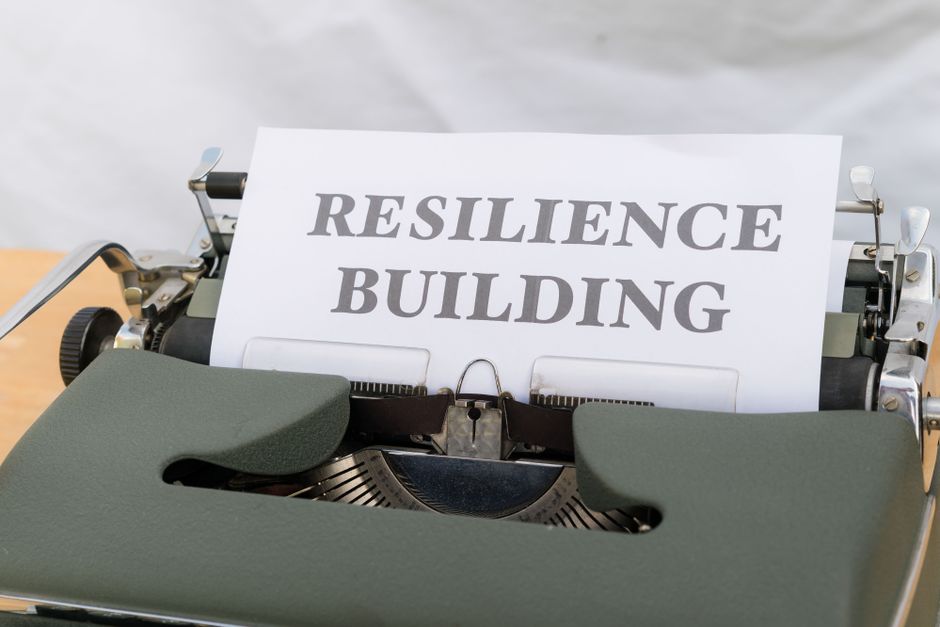
When life feels overwhelming, the instinct is often to overhaul everything at once. But according to emerging research in stress psychology, the real secret to psychological resilience lies in consistency with small, manageable habits.
For Toowoomba residents navigating work pressures, family commitments, and seasonal changes, building resilience doesn't require expensive interventions or dramatic lifestyle shifts. Instead, it's about anchoring yourself with daily practices that strengthen your emotional reserves over time.
One accessible starting point is what wellness practitioners call "grounding through movement"—something the Picnic Point Escarpment walk offers naturally. A 10-minute stroll, whether along the escarpment or through Laurel Bank Park's gardens, activates both body and mind. The practice regulates your nervous system without requiring gym membership or equipment. Locals can simply step outside during a work break.
Another resilience-builder is what experts term "micro-gratitude"—deliberately naming three small things each morning. This isn't positive-thinking hype; it's a documented practice that recalibrates attention toward what's manageable rather than what's threatening. A coffee from your favourite Toowoomba café, a text from a friend, decent weather: these count.
Sleep consistency also anchors psychological resilience, yet it's often first to collapse under stress. Setting a realistic bedtime—not perfection, but consistency—signals to your brain that safety and routine matter. This is more protective than heroic all-nighters followed by recovery crashes.
Social connection, even brief, stabilises stress response. For some, this means a weekly catch-up at a local community space. For others, it's a text exchange or a regular phone call. Toowoomba's spring flower festival community events create natural gathering points; attendance needn't be lengthy to be meaningful.
Perhaps most important: resilience includes self-compassion when habits slip. Missing a walk or forgetting gratitude isn't failure—it's part of the human experience. Resilient people don't execute perfectly; they recover quickly.
If stress becomes persistent or interferes with daily functioning, consulting professionals at Darling Downs Health or a local GP remains essential. Wellness habits support mental health; they don't replace professional care when needed.
The pattern across research is clear: small, repeated practices wire your brain toward stability far more effectively than occasional grand gestures. In Toowoomba's unique landscape, those habits are often as close as your local park or a daily five-minute routine.
This article was compiled by AI from the sources linked above and screened before publishing. See our editorial standards.