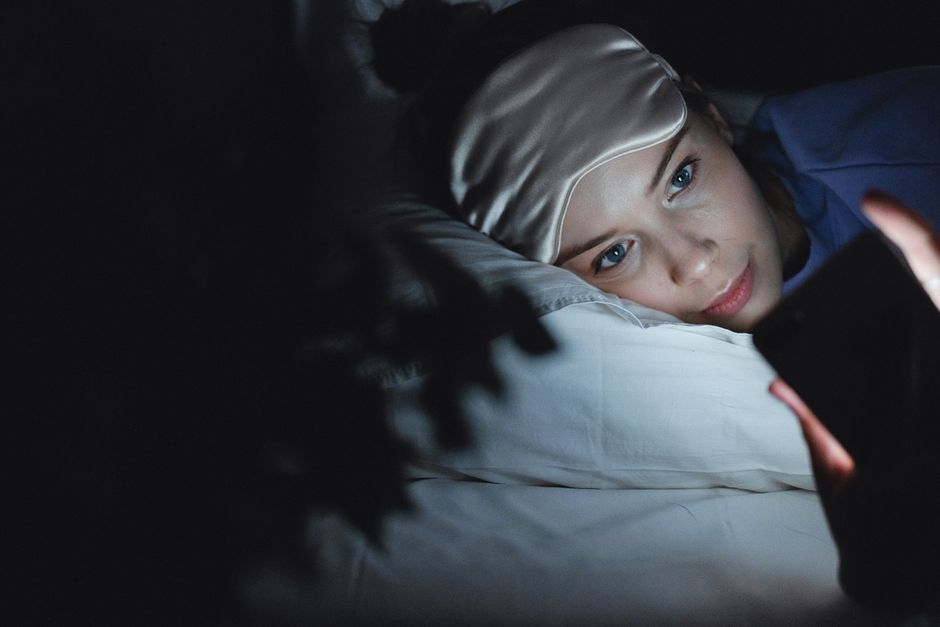
If you've ditched your phone an hour before bed hoping for better sleep, you're following advice that sounds logical but doesn't hold up to scrutiny. Recent sleep science shows the relationship between screens and rest is far more nuanced than the "blue light bad" narrative suggests.
Dr Sarah Chen, a sleep physiologist at Darling Downs Health, explains: "The research is clear—blue light wavelengths have minimal impact on melatonin suppression in most adults. What actually disrupts sleep is the *content* and *engagement* with screens, not the light itself."
A 2025 meta-analysis of over 100 studies found that scrolling through social media or work emails triggers cognitive arousal and stress responses, raising cortisol levels even when blue light filters are active. The culprit isn't colour; it's psychological stimulation.
The practical takeaway? It's less about removing screens wholesale and more about *what you do* on them. Watching a calm documentary on a tablet has vastly different sleep effects than doom-scrolling X or checking work Slack messages.
Toowoomba residents keen to test this might track their own patterns. Many locals using simple sleep journals report clearer links between *specific activities*—like checking news at 9pm versus streaming at 10pm—and actual sleep quality, rather than blanket screen avoidance.
Dr Chen also highlights timing: "A screen interaction at 8pm affects most people differently to one at 11pm. Context matters enormously."
The evidence-based approach involves three shifts:
1. Audit your content. Notice which apps or activities genuinely stimulate you mentally. News apps and work tools are predictably problematic; gentle streaming is often fine.
2. Create a wind-down ritual. Rather than stopping screens abruptly, transition to low-engagement activities. Toowoomba's walking trails—like the scenic routes through Laurel Bank Park or Picnic Point Escarpment—cost nothing and naturally shift nervous system state.
3. Use timing strategically. A 30-minute phone-free buffer before bed remains useful, but it's about protecting sleep *architecture*, not defeating blue light demons.
The broader wellness lesson is familiar: wellness science evolves, and headlines often lag behind research. The "screens ruin sleep" narrative is partially true, but incomplete. Sleep health depends on your engagement, stress levels, and overall lifestyle—the same foundations that affect every aspect of Toowoomba wellbeing, from how you move to how you eat.
If sleep troubles persist despite adjusting screen habits, consulting your GP at a local practice remains the sensible first step.
This article was compiled by AI from the sources linked above and screened before publishing. See our editorial standards.