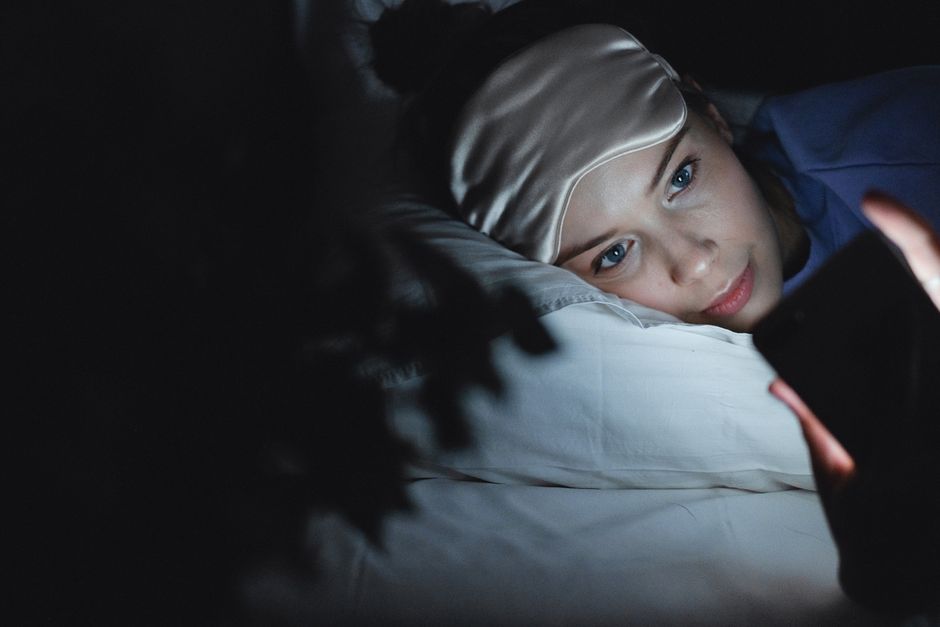
If you've ever been told to ditch your phone an hour before bed, you're not alone. The advice is everywhere. But what does the actual research say about screens and sleep quality? For Toowoomba residents wrestling with winter insomnia or summer heat-fuelled restlessness, understanding the real science might help you reclaim better nights.
The popular narrative centres on blue light: the theory that screens emit wavelengths that suppress melatonin (the sleep hormone) and keep us wired. While blue light does affect circadian rhythms, recent studies show the effect is modest—and context matters far more than most wellness headlines suggest.
The bigger culprit? What researchers call "cognitive engagement." Scrolling social media, checking work emails, or watching videos activates your brain emotionally and mentally, signalling to your nervous system that it's time to be alert. A tense email thread at 10 p.m. disrupts sleep far more reliably than the glow itself.
"The timing and content are what count," explains sleep science. Passive scrolling for 20 minutes with a relaxing podcast? Less disruptive than you'd think. Racing through urgent messages or news feeds? That's the real sleep saboteur.
For Toowoomba's working population—whether you're commuting from Rangeville to Darling Downs Health or managing remote work from South Toowoomba—the practical lesson is clear: it's not about abandoning devices entirely. Instead, consider what you're doing and how it feels.
Simple shifts work better than blanket rules. Use a blue light filter after sunset if it feels helpful (though evidence suggests the behavioural change matters more). More importantly, set a genuine cutoff—not from all screens, but from content that spikes your stress or curiosity. A gentle audio book or nature documentary winds down differently than notifications and breaking news.
If you're among Toowoomba residents investing in sleep quality, consider pairing any screen habits with other proven wellness basics: a cool bedroom (valuable during our summer peaks), regular walks through Laurel Bank Park or the Picnic Point Escarpment walk, and consistent sleep times.
The research consensus? Screens aren't the villain. Your nervous system's state is. Choose what you engage with in those final hours, not whether you engage at all.
For personalised sleep concerns or persistent insomnia, consult your local GP or visit Darling Downs Health services for professional guidance.
This article was compiled by AI from the sources linked above and screened before publishing. See our editorial standards.