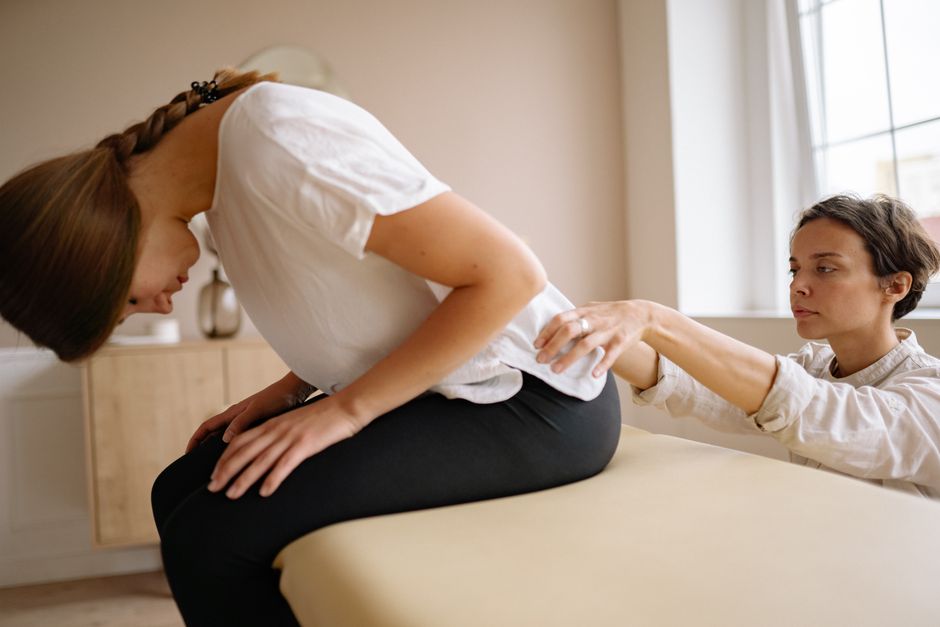
Toowoomba mothers discover healing after birth requires equal attention to body and mind. Local GPs and physiotherapists share postpartum recovery guidance.
Our reporters are based in Toowoomba and cover local government, business and community. We are independently owned and editorially independent. Stories are produced and reviewed by the Toowoomba editorial desk. Read about our newsroom →Read our editorial standards →
The weeks and months following childbirth are a transformative period that extends far beyond the delivery room. For new mothers across Toowoomba, postpartum recovery—both physical and emotional—has become an increasingly recognised priority in local health conversations.
Physical recovery varies significantly from person to person. Most women experience some form of discomfort, fatigue, or hormonal shifts in the first six weeks. Local GP practices in Darling Downs Health recommend tailored movement, starting with gentle walks around Laurel Bank Park's accessible pathways before progressing to structured activity. "Smaller, consistent doses of movement work better than pushing too hard too soon," explains the principle many Toowoomba physiotherapists now emphasise with new mothers.
Emotional wellbeing, however, is equally crucial and sometimes overlooked. Postpartum mood changes—from mild adjustment blues to postnatal depression—affect many local women. The Royal Australian College of General Practitioners notes that one in seven mothers experience postnatal depression. Toowoomba's community health services, including support groups meeting in central locations like near Picnic Point, provide peer connection and professional guidance. Costs for private counselling in the region range from $80–$150 per session, though Medicare rebates can reduce out-of-pocket expenses.
Social isolation compounds emotional recovery challenges. The Toowoomba spring flower festival and local mother-and-baby groups create natural opportunities for connection. Walking groups starting from Laurel Bank Park offer dual benefits: gentle physical activity and community support in one accessible outing.
Sleep deprivation and feeding pressures—whether breastfeeding or bottle-feeding—intensify stress. Realistic expectations matter. Recovery isn't linear; some days feel stronger than others, and that's normal. Local health professionals increasingly recommend honest conversations with partners, family, and healthcare providers about what support is needed.
Nutrition and hydration are foundational. Many Toowoomba mothers find meal-prep services or community support helpful during the first weeks home. Basic self-care—showering, fresh clothes, nutritious food—provides psychological grounding alongside physical benefits.
The message resonating with Toowoomba families is clear: postpartum recovery deserves intentional, compassionate support. Physical rehabilitation and emotional wellbeing are inseparable. Speaking with your local GP about individual recovery needs, exploring community resources, and accepting help are practical first steps.
If you're struggling emotionally, services like Beyond Blue (1300 224 636) and local Toowoomba maternal health teams provide confidential support 24/7.
This article was compiled by AI from the sources linked above and screened before publishing. See our editorial standards.