The Darling Downs, the vast flat agricultural plains west of Toowoomba that the reliable sunshine, the strong winds, and the land availability create as one of Australia's most productive environments for the large-scale solar and wind energy generation that the Queensland renewable energy transition requires, is becoming one of the country's most significant renewable energy precincts as the major solar farms and the wind developments that the electricity network's transmission capacity and the renewable energy investment market are directing to the Darling Downs create the gigawatt-scale renewable energy output that the national electricity market requires from the Queensland inland. The renewable energy transition in the Darling Downs, creating the new revenue stream for the rural landholders who lease the land for the solar panel arrays and the wind turbine bases that the renewable energy developments install on the agricultural land that continues to produce wheat and sorghum between the solar panels and around the wind turbine towers, transforms the economic opportunity of the rural landscape without the displacement of the agricultural production that the solar and wind installations integrate with.
The Darling Downs Solar Farm, one of the largest solar facilities in Queensland, generates the hundreds of megawatts of solar electricity from the photovoltaic arrays that cover the former cotton and grain farming land of the western Darling Downs in the solar development that the renewable energy certificate revenue and the power purchase agreements with the Queensland electricity retailers sustain as the commercial basis for the investment. The solar farm's construction phase, creating the hundreds of construction jobs that the array installation and the grid connection infrastructure require, and the ongoing operations and maintenance employment that the facility management sustains, create the economic activity that the rural communities of the Darling Downs benefit from in the payroll and the supply chain spending that the renewable energy facility generates.
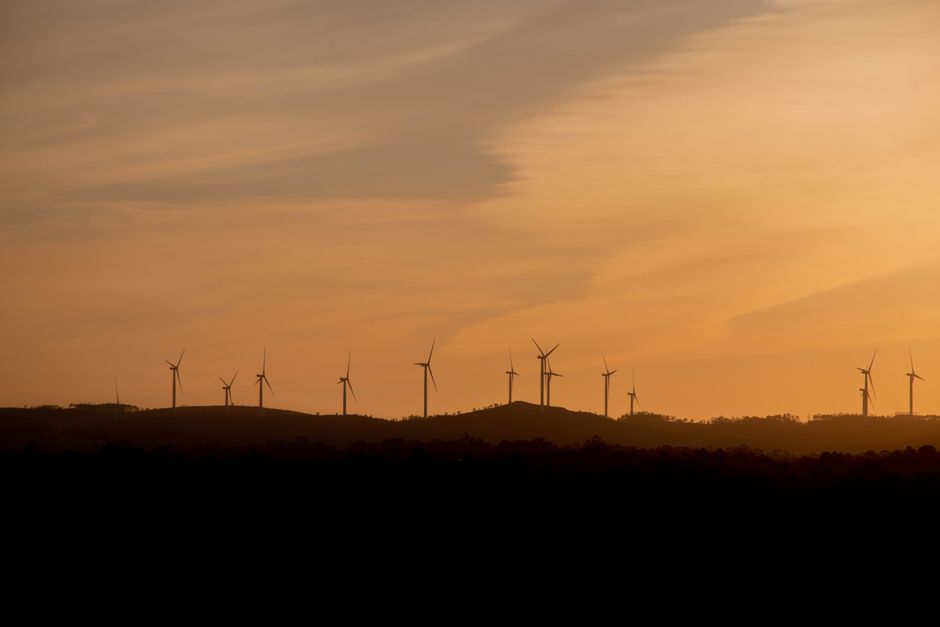
The wind farms of the Great Dividing Range's western escarpment, the elevated terrain west of Toowoomba and along the New England Tablelands where the prevailing westerly winds create the wind resource that the wind turbine developments exploit for the reliable and the dispatchable wind electricity that the variable renewable energy sources require from the wind sites where the wind consistency sustains the capacity factor that makes the wind development commercially viable. The wind developments' combination with the solar farms of the flat Darling Downs plains, the complementary generation profiles of the solar's peak during the day and the wind's often higher output at night creating the generation mix that smooths the variable renewable energy output for the electricity grid, provides the energy security argument for the co-located renewable energy developments that the Queensland Government's renewable energy zone planning supports in the Darling Downs region.
The community response to the renewable energy developments in the Darling Downs farming communities, balancing the economic benefits of the land lease revenue and the construction employment with the concern about the visual impact on the landscape and the effect of the large-scale developments on the rural character of the farming communities that the renewable energy projects are transforming, reflects the tension between the climate change mitigation imperative that drives the renewable energy investment and the preservation of the rural identity and the visual landscape that the communities whose agricultural heritage defines their sense of place seek to maintain. The community benefit funds that the renewable energy developers contribute in return for the social licence to operate create the tangible benefit for the host communities that the developers use to sustain the community acceptance of the developments that the landscape and the amenity impacts create resistance to.
This article was compiled by AI from the sources linked above and screened before publishing. See our editorial standards.