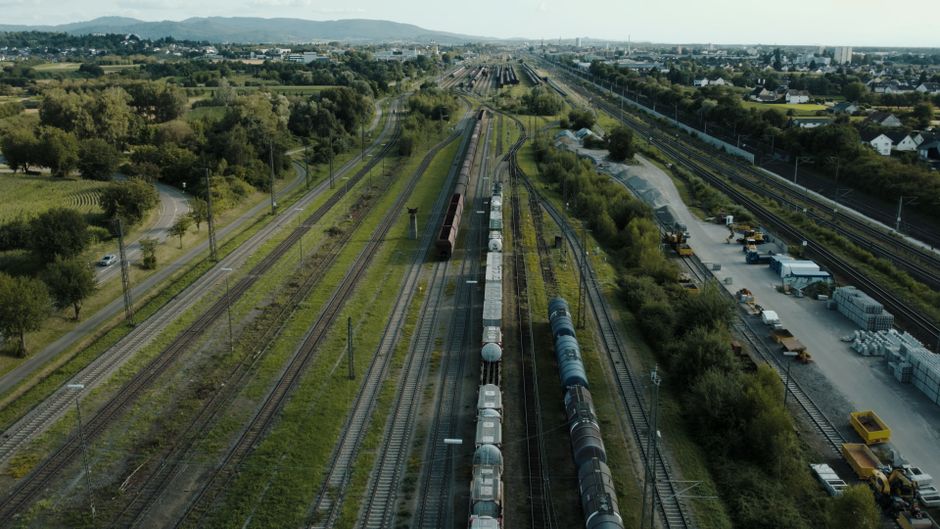
The Toowoomba property market has long been defined by its agricultural heritage and steady residential growth, but a new chapter is opening. The Australian Inland Rail project, now well into its construction phase, is reshaping investor sentiment and creating fresh opportunities across industrial and logistics precincts in and around the region.
Industry observers say the ripple effects are already visible. Suburbs like Highfields and Glenvale, which have dominated residential growth conversations for years, are now attracting logistics developers eyeing proximity to the rail corridor. Land values in adjacent industrial zones have begun reflecting this shift, with some parcels moving significantly faster than their residential counterparts—a marked change from previous market cycles.
"We're seeing genuine interest from national logistics operators," says a local property agent who has handled multiple industrial transactions in the past six months. "The inland rail changes the maths completely. Properties that were on the periphery two years ago are now strategically positioned."
The local residential market remains robust, with Toowoomba's median house price holding around $490,000—well below Brisbane's equivalent, yet offering lifestyle and affordability that continue to attract families and investors alike. Highfields, in particular, has seen median values push toward the upper $500,000s for new homes, while Glenvale remains accessible for first-time buyers seeking newer construction.
But it's the industrial story that's capturing attention. Large-scale logistics operations, supply chain management hubs, and value-add agricultural processing facilities are now evaluating Toowoomba as a strategic distribution point. The inland rail's connection to ports and southern markets creates a compelling narrative for investors willing to move beyond traditional residential development.
Local planning authorities have been proactive, with several development applications now working through the system for mixed-use and industrial projects across Toowoomba's designated growth corridors. The timeline remains fluid—inland rail completion is years away—but forward-thinking investors are already positioning themselves.
For residential buyers, the immediate impact appears modest. Properties in established precincts like Mount Lofty and Middleton maintain steady demand. However, those watching longer-term trends suggest the region's demographic and economic profile is shifting in ways that could underpin property values across multiple market segments over the next 3-5 years.
As Toowoomba transitions from agricultural heartland to logistics hub, the property landscape will inevitably follow. Whether you're buying, selling, or investing, understanding the inland rail's influence on local precincts is now essential due diligence.
This article was compiled by AI from the sources linked above and screened before publishing. See our editorial standards.