Our reporters are based in Toowoomba and cover local government, business and community. We are independently owned and editorially independent. Stories are produced and reviewed by the Toowoomba editorial desk. Read about our newsroom →Read our editorial standards →
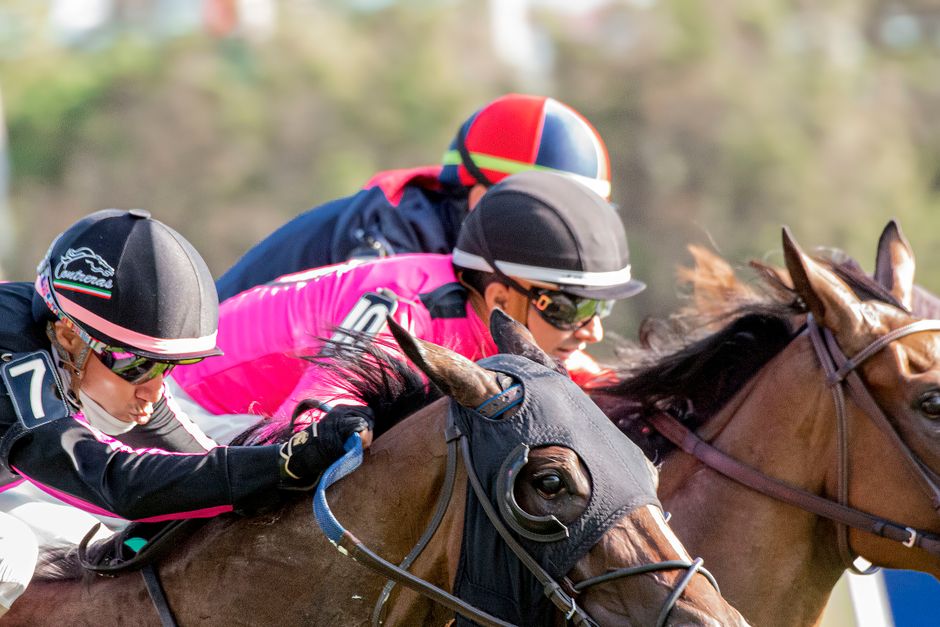
The Toowoomba Turf Club and the Clifford Park Racecourse, the thoroughbred racing venue in the southern suburbs of Toowoomba that has hosted the races since 1873 and that the Toowoomba Carnival of Flowers racing events and the Gold Cup meeting sustain as the premier racing venue of the Darling Downs racing circuit, provide the horse racing culture that the rural and the pastoral communities of the Darling Downs have maintained through the generations of the thoroughbred breeding and the racing ownership that the agricultural wealth and the pastoral tradition of the Queensland inland have sustained in the regional racing circuits that the Queensland Racing Integrity Commission regulates. The Darling Downs's racing culture, reflecting the pastoral heritage of the squatting class who established the stud farms and the racing stables that the prize thoroughbred stock required in the horse culture of the nineteenth century Queensland settlement, persists in the contemporary racing program through the community enthusiasm for the racing carnival and the Gold Cup that the Toowoomba region's social calendar uses as the annual celebration of the thoroughbred racing tradition.
The Toowoomba Gold Cup, the feature race meeting that the Toowoomba Turf Club programs as the annual highlight of the Clifford Park racing season, provides the quality race program that attracts the trainers and the horses from the southeast Queensland racing circuit and creates the field quality that the prize money and the prestige of the Gold Cup meeting sustains in the Darling Downs racing community. The Carnival of Flowers racing carnival, the race meetings that the Toowoomba Turf Club organises to coincide with the Carnival of Flowers festival that Toowoomba celebrates each September, creates the event tourism overlay that the combination of the racing and the flowers festival provides for the visitor who combines the race meeting and the garden tours in the September Toowoomba visit that the Carnival of Flowers draws from across Queensland and New South Wales.
The thoroughbred breeding operations of the Darling Downs, the stud farms that the rich agricultural country and the reliable water supply of the western Darling Downs support for the broodmare band and the stallions that the Queensland thoroughbred breeding industry requires, provide the supply chain connection between the pastoral economy and the racing industry that sustains the Darling Downs thoroughbred culture as a productive commercial activity as well as a cultural tradition. The yearling sales that the Darling Downs stud farms contribute to the Queensland yearling market create the revenue stream that sustains the thoroughbred investment in the region alongside the cattle and the grain farming that provides the primary agricultural income for the rural properties that maintain the breeding operations.
The working horse culture of the Darling Downs, preserved in the stockhorse breeding and the campdraft competitions that the pastoral properties of the Darling Downs and the Maranoa districts maintain for the working cattle dog and the quarter horse skills that the cattle station management requires, creates the broader equestrian culture that the thoroughbred racing sits within in the horse-centred community of the Queensland inland. The campdraft competition, the uniquely Australian equestrian sport where the horse and the rider demonstrate the cattle-working skills that the mustering and the yard work on the cattle station require, sustains the working horse culture of the Queensland pastoral community in the competitive sport format that preserves the skills and the values that the mechanisation of the cattle handling has not entirely displaced.
This article was compiled by AI from the sources linked above and screened before publishing. See our editorial standards.