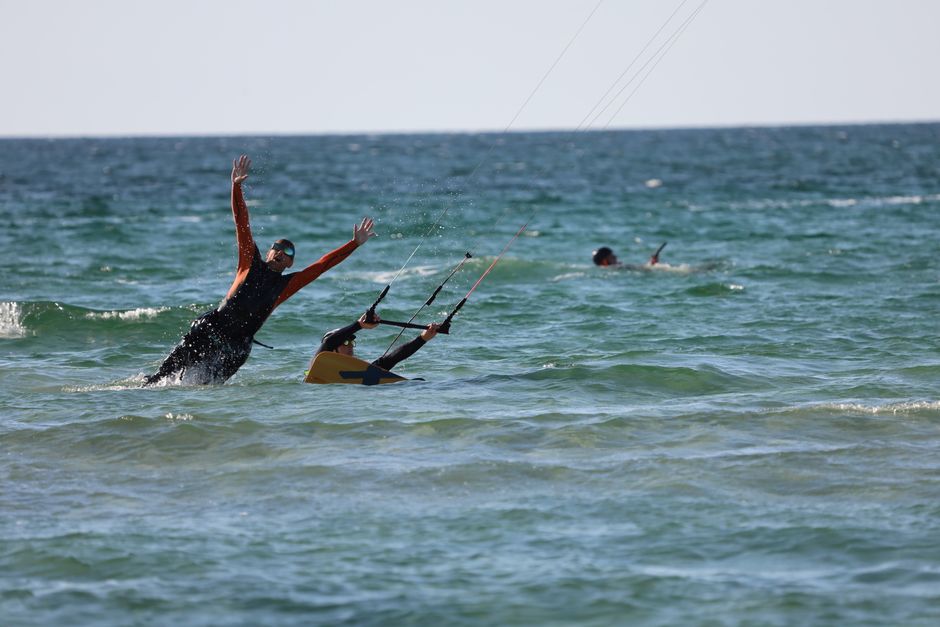
Toowoomba's water sports sector is experiencing a genuine surge, and the numbers tell a compelling story about where our community's fitness priorities are headed.
Recent participation data from the City of Toowoomba leisure facilities reveals that swimming and aquatic-based activities have grown by approximately 23 per cent over the past 18 months—outpacing traditional gym memberships and land-based fitness classes. At the Toowoomba Aquatic Centre on Bridge Street, peak-hour lane swimming sessions are now operating at 85 per cent capacity, up from 68 per cent two years ago. Meanwhile, aqua aerobics classes have expanded from three weekly sessions to nine, with waiting lists becoming commonplace.
The trend extends well beyond the council's flagship facility. Private operators like the Clifford Gardens leisure precinct have similarly reported double-digit growth in their water fitness programs, suggesting this isn't merely a seasonal blip but a genuine behavioural shift among Toowoomba residents.
What does this participation data actually tell us about local fitness culture? For starters, it reveals a community increasingly conscious of joint-friendly exercise options. Aquatic activities appeal to a broader demographic than traditional gym settings—from young families using splash pools on the South Side through to older adults seeking low-impact conditioning. The data shows participants aged 55-plus now comprise 31 per cent of dedicated water fitness cohorts, compared to just 19 per cent five years ago.
There's also a pragmatic element at play. With membership costs at the Aquatic Centre sitting at $14.50 per casual visit or $89 monthly for unlimited access, water-based fitness remains accessible to households across various income brackets—something that resonates strongly in our regional economy.
The infrastructure investment tells another story. Council's recent upgrade to heating systems and lane configurations at the Bridge Street facility was explicitly designed to accommodate this anticipated demand. Planners clearly recognised that Toowoomba's fitness culture was evolving beyond the treadmill mentality.
Social connectivity appears to be another factor driving participation. Group-based water activities—from swim squads to aqua jogging collectives—generate community bonds that solitary gym sessions simply cannot replicate. Local swim clubs report membership applications have surged, particularly among school-age children and adult beginners.
As Toowoomba continues positioning itself as a major regional health and wellness hub, these participation metrics suggest residents are voting with their feet—or rather, their swimmers. The water sports boom isn't incidental; it reflects a fitness culture increasingly focused on accessibility, longevity, and community rather than pure performance metrics.
This article was compiled by AI from the sources linked above and screened before publishing. See our editorial standards.