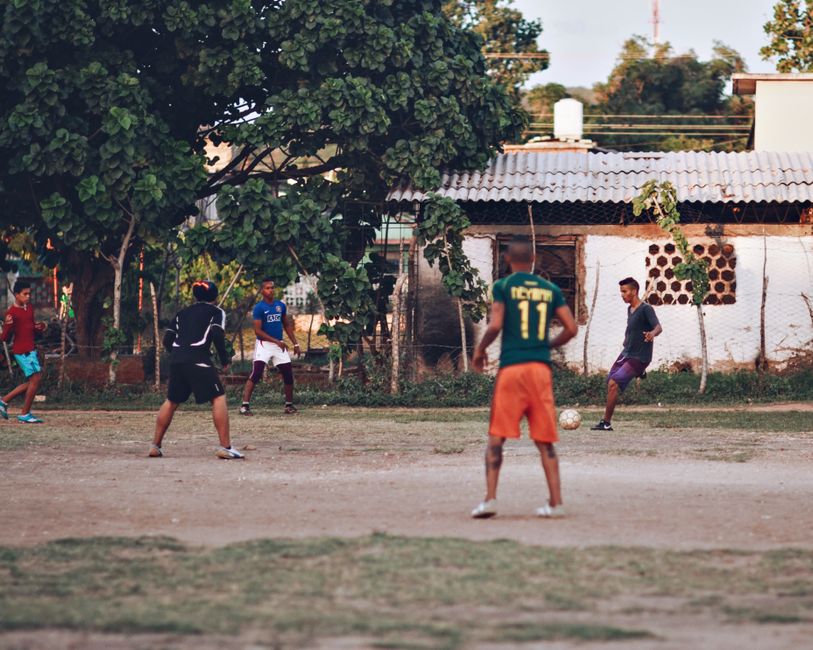
Discover how Toowoomba's volunteer-driven community sports clubs—from cricket to rugby league—are shaping the region's sporting future on modest budgets.
Our reporters are based in Toowoomba and cover local government, business and community. We are independently owned and editorially independent. Stories are produced and reviewed by the Toowoomba editorial desk. Read about our newsroom →Read our editorial standards →
Walk past the weathered cricket pitches on Stenner Street any Saturday morning, and you'll witness the true heartbeat of Toowoomba's sporting culture. Here, amid freshly cut grass and the sound of leather on willow, lies a story rarely told in the headlines—one of dedicated volunteers, modest club budgets, and the extraordinary community commitment that transforms a regional city into a sporting powerhouse.
For decades, grassroots organisations across Toowoomba have operated on shoestring budgets and boundless passion. The Toowoomba Rugby League competition, now approaching its 110th season, has nurtured players who've gone on to representative honours, yet club membership fees barely exceed $120 annually. Similarly, the Toowoomba Junior Cricket Association manages over 2,000 young participants across the city's suburbs—from Highfields to the southern reaches of Wilsonton—with volunteer coaches who donate countless hours unpaid.
The infrastructure supporting these efforts tells a revealing story. Venues like Queen's Park, anchoring the CBD's eastern edge, have hosted everything from district rugby union finals to local tennis tournaments. Yet it's the smaller, neighbourhood facilities—the pavilions in Laurel Bank, the courts near Centenary Avenue, the ovals scattered through residential precincts—that serve as the real nurseries of talent.
Recent investment in upgraded facilities has recognised this crucial foundation. The expanded athletic precinct near the Toowoomba Grammar School campus, and improvements to the netball courts in the West side, represent growing acknowledgment that grassroots infrastructure matters. Local council data reveals that participation in district-level competitions increased 23 per cent between 2022 and 2025, driven almost entirely by community club recruitment initiatives.
What distinguishes Toowoomba's approach is the intergenerational commitment. Many volunteer administrators have served their clubs for 20, even 30 years. Committee members sacrifice evenings and weekends managing grounds, fundraising for equipment, and mentoring younger volunteers. This creates institutional knowledge and community stability that money alone cannot purchase.
As major stadiums prepare for expanded events and higher-profile fixtures, the real story remains at ground level. The under-12 footballer learning discipline on a suburban oval, the teenage netballer developing her skills at a local court, the club volunteer ensuring grounds are match-ready—these are the true architects of Toowoomba's sporting identity. Without their collective effort, without their unwavering commitment to making sport accessible and meaningful, no headline-grabbing fixture would ever matter.
This article was compiled by AI from the sources linked above and screened before publishing. See our editorial standards.