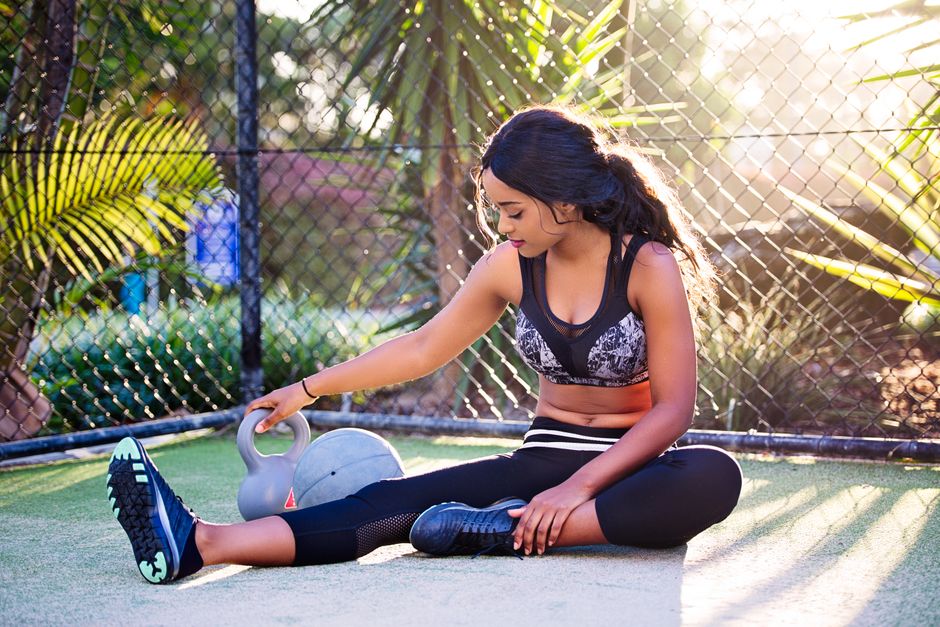
Toowoomba's fitness landscape has undergone a dramatic transformation over the past three years, with gym operators and local councils investing heavily in infrastructure to support the region's growing wellness culture.
The expansion is most visible across the city's major commercial hubs. On Ruthven Street and around the Grand Central precinct, established fitness chains have expanded their floorplans, while independent operators have carved out niches in quieter pockets of South Toowoomba and the Darling Heights corridor. Local data suggests membership across major facilities has grown approximately 18 per cent annually, outpacing national trends.
This infrastructure push extends beyond traditional gyms. The Toowoomba Regional Council has invested in upgrading public sports facilities, including expanded weightlifting areas at local leisure centres and new outdoor fitness zones in parks across Rangeville and Newtown. Private providers have responded by offering specialised training: CrossFit boxes, functional fitness studios, and high-intensity interval training (HIIT) facilities now operate from converted warehouses near the railway precinct and along the Warrego Highway industrial sector.
Pricing reflects the city's competitive market. Standard gym memberships range from $15–25 weekly, while premium facilities with personal training and additional amenities command $30–45. Boutique fitness classes—yoga, spinning, boxing—typically cost $18–22 per session, with package deals available. For serious athletes and strength competitors, dedicated powerlifting gyms on James Street offer specialist equipment and coaching from $200–300 monthly.
What's driving this surge? Local fitness professionals point to increased health awareness post-pandemic, younger demographics prioritising wellness, and Toowoomba's status as a growing regional hub attracting families seeking quality training environments. Social media influence has also played a role, with Instagram-worthy fitness spaces becoming community gathering points rather than purely functional spaces.
The infrastructure improvements haven't gone unnoticed by sporting organisations. Regional rugby league, Australian rules football, and netball clubs report stronger feeder pathways as junior athletes now have access to strength and conditioning facilities previously unavailable outside Brisbane. Local school partnerships with private gyms have also expanded, with facilities offering after-school training programs.
Yet challenges remain. Rural and outer suburbs like Kearneys Spring and Southwood still lack dedicated fitness infrastructure, creating accessibility gaps. Council planners are reportedly addressing these blind spots in the next community development cycle.
For Toowoomba residents, the message is clear: the city's commitment to sports infrastructure is reshaping how the community trains, competes, and stays healthy.
This article was compiled by AI from the sources linked above and screened before publishing. See our editorial standards.