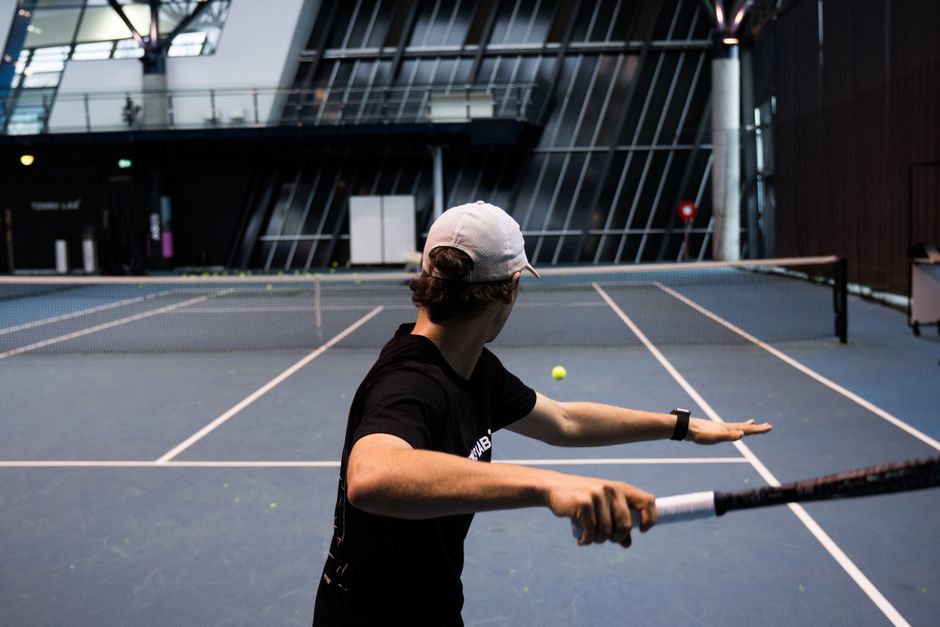
From the fields of Clifford Park to the courts across the city, local junior sports organisations are creating pathways for young athletes while strengthening neighbourhood bonds.
Our reporters are based in Toowoomba and cover local government, business and community. We are independently owned and editorially independent. Stories are produced and reviewed by the Toowoomba editorial desk. Read about our newsroom →Read our editorial standards →
Toowoomba's youth sports landscape is experiencing a remarkable renaissance, with grassroots clubs across the region reporting record participation numbers and reinvigorated community engagement. What's driving this resurgence isn't just winning medals—it's the deliberate focus on building resilient, inclusive local communities through sport.
Clifford Park remains the beating heart of junior competition in the Garden City, but the real action extends far beyond its gates. Neighbourhood clubs operating from venues across Rangeville, Drayton, and the inner city precincts are seeing registration numbers climb steadily. Local junior rugby league and AFL clubs report participation increases of up to 30 per cent over the past 18 months, with membership fees typically ranging from $180 to $320 per season—making organised sport increasingly accessible for working families.
The Toowoomba Youth Sports Council estimates approximately 8,500 young athletes aged 6–16 are now engaged in structured grassroots programs across the city. Beyond the headline figures, clubs are reporting deeper community outcomes: volunteer parent involvement has surged, with many organisations now running parent-coach education programs at modest costs of $25–$40 per participant.
What distinguishes Toowoomba's current moment is the strategic partnership model emerging between established clubs and community centres. Organisations operating from facilities on Alderley Street and around the West Toowoomba precinct are sharing facilities, splitting operational costs, and cross-promoting programs. This collaboration has reduced financial strain while expanding junior offerings from traditional winter codes into summer competitions, dance, swimming, and combat sports.
Social cohesion remains the understated hero of this story. Club committees consistently highlight how weekend competitions and training sessions create genuine neighbourhood connection—especially for newly arrived families and multicultural communities integrating into local life. Several clubs now offer scholarships or subsidised memberships for families experiencing financial hardship, with community fundraising events contributing roughly $15,000–$30,000 annually toward these initiatives.
Perhaps most tellingly, retention rates have improved markedly. Junior athletes progressing into teenage years are staying engaged rather than drifting toward screens. Coaches attribute this to deliberate emphasis on enjoyment and friendship-building alongside skill development.
As Toowoomba continues growing, these grassroots organisations are proving that organised youth sport remains a powerful vehicle for building genuine community—one training session, one weekend fixture, and one shared commitment at a time.
This article was compiled by AI from the sources linked above and screened before publishing. See our editorial standards.