Our reporters are based in Toowoomba and cover local government, business and community. We are independently owned and editorially independent. Stories are produced and reviewed by the Toowoomba editorial desk. Read about our newsroom →Read our editorial standards →
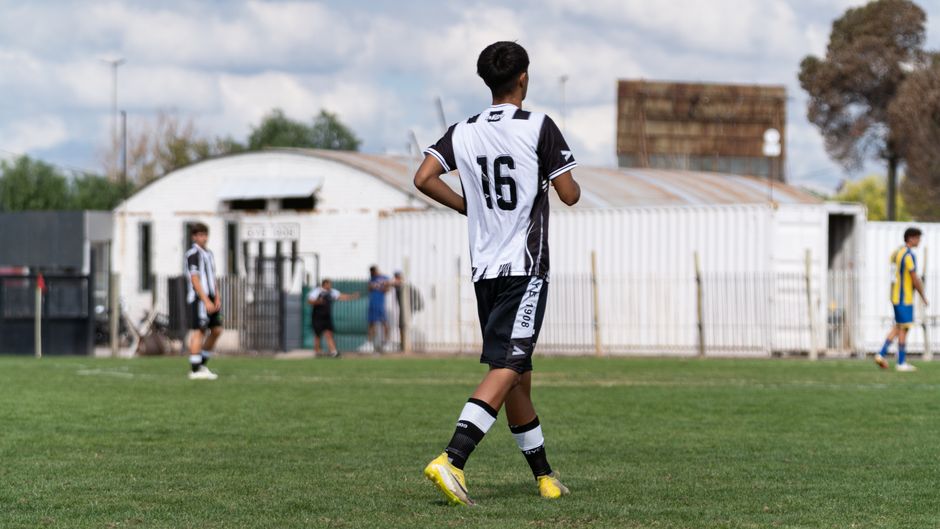
The Toowoomba West Under-16s Football Club's state championship victory earlier this month has triggered a grassroots awakening across the region, with junior participation numbers climbing sharply and local facilities facing unprecedented demand.
The Wolves' triumph at the Queensland Youth Football Championships has put youth sport development squarely back in the spotlight for Toowoomba, a city that prides itself on its sporting culture. Membership inquiries at the club's Wilsonton Heights base have jumped 40 per cent since the team's final-match victory on June 14, forcing administrators to open two additional training slots on Tuesday and Thursday evenings.
The success story underscores a broader shift in how grassroots clubs across the Garden City are approaching youth development. Toowoomba West's pathway programme, which feeds players from under-10 through to under-18 age groups, has become a blueprint other clubs are now studying. Operating from facilities on Stenner Street, the club invests roughly $180,000 annually in coaching staff, pitch maintenance, and equipment—a significant commitment for a volunteer-run organisation serving 280 young athletes.
Local sporting bodies have taken notice. The Toowoomba and Region Sports Council is now fast-tracking infrastructure upgrades at key venues, including expanded lighting at Anzac Park and improved change facilities at grounds across the northside and southside precincts. Council has allocated $420,000 in this financial year alone toward youth sport facility improvements.
"What we're seeing is a multiplier effect," said a spokesperson from the regional sports development authority. "When a local team achieves at that level, younger kids want to follow. Parents see the pathways working." Coaching development programmes, once sporadic, are now running monthly accreditation workshops across venues in Rangeville, Harlaxton, and the CBD.
The uptick hasn't been without friction. Club administrators report waiting lists at several grassroots organisations, with some under-10 competition groups reaching capacity by late May. User fees for training and competition have edged upward—ranging from $35 to $65 per month depending on age group—putting affordability top of mind for families in outer suburbs.
Yet enthusiasm remains high. Junior clubs are recruiting volunteer coaches aggressively, and several secondary schools have expanded after-school football programmes to accommodate the surge in interest. Toowoomba West's achievement has created immediate ripple effects, reminding the city why grassroots investment matters.
This article was compiled by AI from the sources linked above and screened before publishing. See our editorial standards.