Discover why Glenvale offers the best value in Toowoomba's property market. Affordable houses with 6% annual growth, close to Inland Rail and established schools.
Our reporters are based in Toowoomba and cover local government, business and community. We are independently owned and editorially independent. Stories are produced and reviewed by the Toowoomba editorial desk. Read about our newsroom →Read our editorial standards →
Glenvale has long been Toowoomba's quiet achiever. While neighbouring Highfields captures headlines as the city's fastest-growing pocket, the leafy streets around Glenvale State School and the Glenvale Shopping Centre continue to deliver solid fundamentals at prices that won't stretch the average buyer—a rare combination in today's market.
Property data shows median house prices in Glenvale hovering around $420,000 to $450,000, sitting well below the Queensland average of $490,000. Yet this understates the suburb's appeal. Over the past three years, capital growth has tracked consistently above 6 per cent annually, driven by proximity to the Inland Rail project and a demographic sweet spot: young families seeking established amenities without exurban isolation.
"Glenvale ticks multiple boxes," explains local agent commentary. The suburb offers primary schooling on its doorstep, a fully serviced shopping precinct, and easy access to the Toowoomba CBD via the New England Highway. Unlike fringe estates still developing infrastructure, Glenvale boasts mature parks—notably Glenvale Park itself—sports grounds, and established street trees that command buyer confidence.
The Inland Rail effect is real but not yet fully priced in. Once the $10 billion project reaches operational status, Toowoomba's logistics corridor will anchor further economic activity. Properties within 2 kilometres of the rail corridor, as Glenvale largely sits, are attracting investor attention from those reading the long game. Current prices offer entry before that infrastructure premium fully lands.
What makes Glenvale particularly appealing is its demographic stability. The suburb attracts established owner-occupiers and young professional families—not speculative investors chasing a quick flip. This creates a buyer pool with genuine staying power, supporting rental yields (typically 4–4.5 per cent) and protecting downside risk.
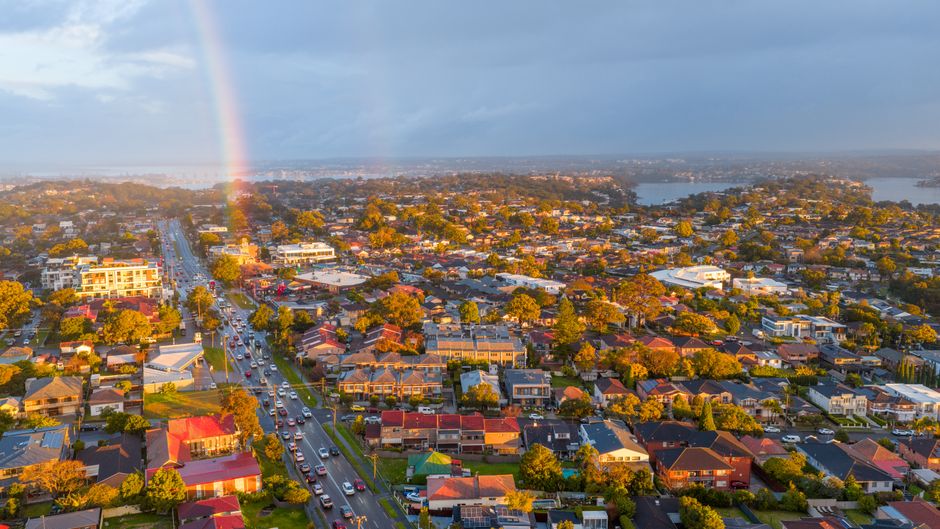
Street-level appeal matters too. Tree-lined avenues and low-density zoning mean Glenvale avoids the cramped feel of some infill projects. Stand-alone homes remain the norm; townhouses are scarce. For buyers tired of bidding wars in Highfields or put off by vacant-land prices in outer Glenvale or Forest Hill, this established pocket offers a measured alternative.
The risks? Like all inland markets, Glenvale depends on sustained local job growth and infrastructure delivery. The Inland Rail timeline matters. But for conservative investors seeking capital growth with lower volatility than boom-bust suburbs command, Glenvale represents exactly the kind of blue-chip value increasingly rare in Australian property—solid, proven, and still reasonably priced.
This article was compiled by AI from the sources linked above and screened before publishing. See our editorial standards.