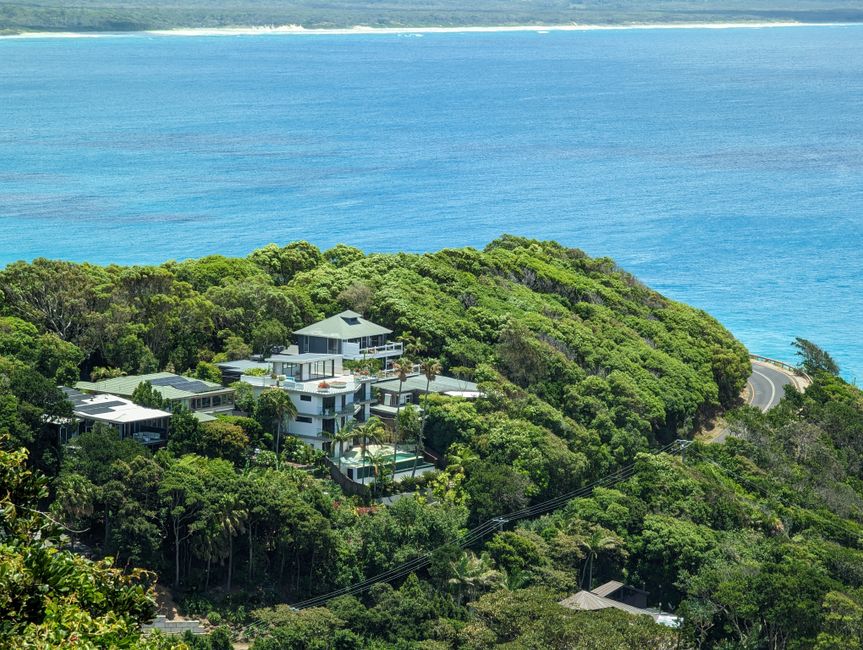
Regional rental markets are reshaping the renter-versus-buyer equation, with Toowoomba offering pathways to homeownership that remain locked off for many Sydney and Melbourne tenants.
Our reporters are based in Toowoomba and cover local government, business and community. We are independently owned and editorially independent. Stories are produced and reviewed by the Toowoomba editorial desk. Read about our newsroom →Read our editorial standards →
For years, the renter-versus-buyer debate has centred on capital cities: Do you save another five years in a cramped inner-city flat, or stretch yourself thin on a mortgage two hours from work? Toowoomba is rewriting that narrative.
While Sydney and Melbourne renters face median weekly rents exceeding $600 and ownership timelines stretching beyond a decade, Greater Toowoomba presents a starkly different calculus. A three-bedroom rental on Herries Street or in nearby Glenvale averages $380–$420 per week—nearly 30 per cent lower than comparable Queensland capital city equivalents. More critically, that rental saving translates into tangible equity-building capacity within five to seven years.
The mathematics are compelling. A Toowoomba renter banking $100–$150 weekly (the difference between here and Brisbane) accumulates $26,000–$39,000 over five years—enough for a modest deposit on a $450,000 property in established neighbourhoods like Highfields or Centenary Heights. Brisbane renters pursuing the same savings face deposit thresholds on $580,000+ median values, shifting the ownership timeline backward.
"The inland rail investment and industrial growth corridors are reshaping how regional markets function," explains the logic behind Toowoomba's emerging appeal for young families and first-time buyers. The $10 billion infrastructure project signals long-term employment diversification beyond agriculture, anchoring rental demand while stabilising property values.
Yet regional affordability brings trade-offs. Wage premiums in capital cities—particularly in professional services and technology—remain a counterweight. A Toowoomba nurse or teacher enjoys lower rent but may earn 8–12 per cent less than their Brisbane counterpart. The equation tilts decisively toward regional advantages only when dual-income households, remote workers, or those in portable trades are factored in.
Current data reveals nuance. Toowoomba's median property price hovers around $480,000, while rental yield averaging 4–4.5 per cent outpaces many capital city suburbs. For investors, this suggests the regional rental-to-ownership gap is narrowing—capital appreciation may lag Sydney, but cash flow advantage and entry-point affordability create a different wealth-building pathway.
The pandemic accelerated this shift. Greater Toowoomba recorded 15 per cent population growth over five years as remote work legitimised relocation. That trend shows no reversal signals. For renters genuinely calculating their future—not those anchored to capital cities by non-negotiable employment—the regional equation warrants serious recalculation. Toowoomba's improving rental-to-buy ratio suggests the answer no longer lies exclusively in Sydney or Melbourne.
This article was compiled by AI from the sources linked above and screened before publishing. See our editorial standards.