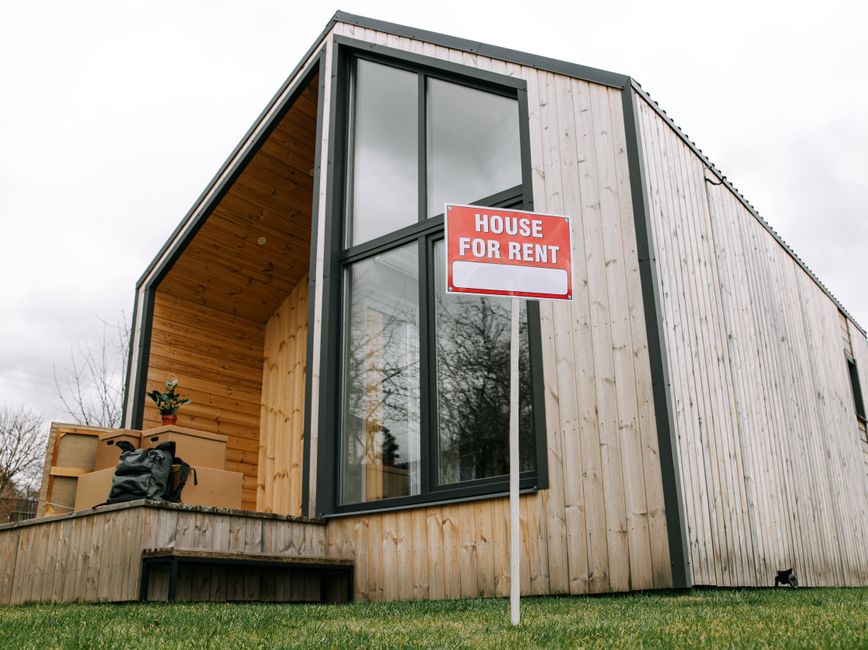
As Toowoomba's rental market tightens, we ask whether the classic affordability benchmark still holds water for locals choosing between renting and buying.
Our reporters are based in Toowoomba and cover local government, business and community. We are independently owned and editorially independent. Stories are produced and reviewed by the Toowoomba editorial desk. Read about our newsroom →Read our editorial standards →
The arithmetic is simple enough: financial advisors have long preached that rent should not exceed 30 per cent of gross household income. It's a rule of thumb stretched across decades, a guardrail against overextension. But in Toowoomba's rapidly evolving property landscape, where median house prices hover around $490,000 and the inland rail project reshapes regional prospects, does this benchmark still reflect reality for renters caught between staying mobile and building equity?
The 30 per cent rule emerged from an era when housing was more abundant and wage growth more predictable. Today, a Toowoomba household earning $80,000 annually should theoretically spend no more than $24,000 yearly on rent—roughly $462 per week. Yet across Highfields and Glenvale, where new estates are accelerating growth, weekly rents for three-bedroom homes now routinely sit between $480 and $550. For families in established suburbs like Rangeville or along Margaret Street's heritage pockets, the gap widens further.
The tension sharpens when you compare lifetime costs. A renter paying $500 weekly accumulates $26,000 annually with nothing to show except housing security. A buyer with a $400,000 mortgage at current rates pays roughly $2,000 monthly—higher upfront, but each dollar builds ownership. Yet first-home buyers face their own cliff: deposit hurdles, stamp duty, conveyancing fees. The inland rail's $10 billion investment promises long-term regional lift, but that upside is future, not present.
Local rental demand has intensified as the region attracts workers to logistics, agriculture-tech, and infrastructure projects. Real estate agents in the CBD report vacancy rates below 1 per cent in several postcodes. This scarcity pushes renters above the 30 per cent threshold almost involuntarily. A couple with combined income of $120,000 might justify $600 weekly rent as non-negotiable survival cost rather than financial excess.
The affordability paradox cuts differently for different cohorts. Young professionals in Toowoomba can rent flexibly while careers gel, absorbing the 35–40 per cent rent ratios as temporary. Families with children face different calculus: stability, schools, yard space—intangibles that inflate perceived rental value and strengthen the case for purchase despite elevated mortgage stress.
The 30 per cent rule remains a useful diagnostic, not a prescription. Toowoomba renters squeezing toward 40 per cent should audit their genuine constraints: income limitations, credit barriers, or simply local scarcity. Those constraints vary. What matters is awareness. The rule is broken far more often now than it was honoured in the past—and knowing you've crossed the line is the first step toward fixing it.
This article was compiled by AI from the sources linked above and screened before publishing. See our editorial standards.