Toowoomba's property landscape is shifting. While the broader Queensland median hovers around $490,000 and infrastructure like the inland rail fuels regional growth, a quieter but significant opportunity is taking root: NDIS-funded disability housing investment.
The National Disability Insurance Scheme has fundamentally reshaped how participants access accommodation support. Instead of waiting for government-provided facilities, eligible NDIS participants can now direct their housing budgets to private landlords and specialist providers—creating a reliable, long-term rental income stream for investors willing to adapt properties to accessibility standards.
In Toowoomba, where suburbs like Highfields and Glenvale are experiencing rapid residential expansion, disability housing investment offers several advantages. Properties typically command premium rental yields—often 6–8 per cent annually—because NDIS plans guarantee consistent, indexed payments. Unlike traditional rentals vulnerable to vacancy or defaults, NDIS-funded tenancies provide predictable cash flow backed by scheme administration.
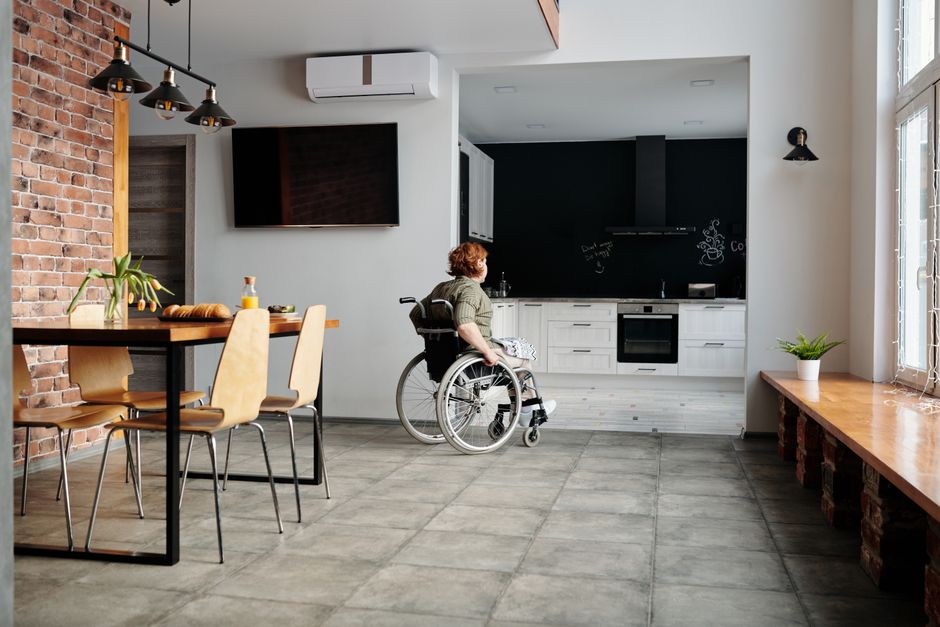
The mechanics are straightforward. An investor purchases or renovates a property to meet disability standards—wheelchair access, level entry, adapted bathrooms, open-plan living—then leases to an NDIS participant or a registered disability housing provider. The tenant's plan covers rent directly, removing landlord collection risk. Properties in Toowoomba's growth corridors, purchased around $450,000–$550,000, can generate $30,000–$40,000 annually in net rental income once adapted.
Local demand is accelerating. Toowoomba's population growth, combined with the scheme's expansion in regional Queensland, has created a shortage of suitable accessible housing. Many participants currently live in unsuitable family homes or institutional settings; transitioning them to private, independently-run accommodation is a scheme priority. This directly translates to available tenancies for investors near established services—the Toowoomba Hospital precinct, specialist disability services on Ruthven Street, and community facilities across South Toowoomba.
However, investment requires diligence. Specialist conveyancers familiar with NDIS leases, understanding of accessibility standards under the Disability Discrimination Act, and realistic expectations about renovation costs are essential. A standard three-bedroom in Glenvale might require $30,000–$60,000 in modifications. Insurance, property management, and maintenance costs are higher than conventional rentals.
The social dividend shouldn't be overlooked either. These investments directly improve quality of life for Toowoomba residents with disability, enabling independence and community participation while supporting the local care economy.
As Toowoomba positions itself as a regional hub—buoyed by inland rail investment and agricultural sector strength—disability housing investment represents a niche but expanding pathway for investors seeking stable returns aligned with genuine community need.
This article was compiled by AI from the sources linked above and screened before publishing. See our editorial standards.