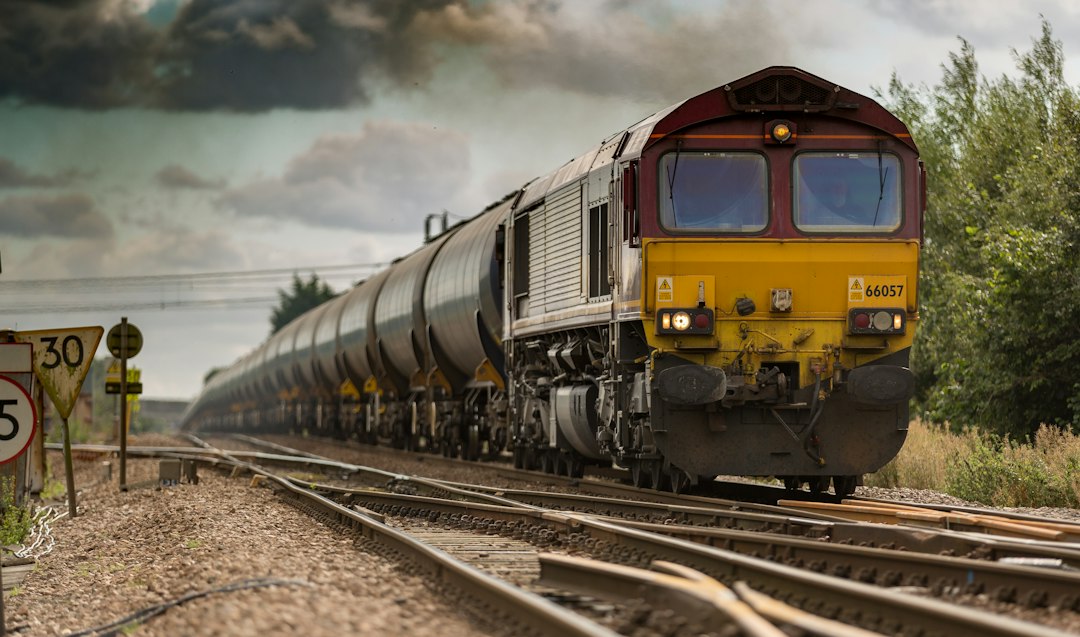
The completion of the Toowoomba range section marks the biggest milestone in the $15B project.
By Toowoomba Daily · Published 26 June 2026 at 12:23 am Updated
2 min read
Updated 28 June 2026 at 12:23 am
Our reporters are based in Toowoomba and cover local government, business and community. We are independently owned and editorially independent. Stories are produced and reviewed by the Toowoomba editorial desk. Read about our newsroom →Read our editorial standards →
The Inland Rail project has reached a critical milestone with the completion of the Toowoomba Range crossing infrastructure, overcoming the engineering challenge that has been the most technically demanding section of the $15 billion project and placing the freight railway on track for the phased opening of the Brisbane to Melbourne corridor by 2028. The Toowoomba Range section required the construction of a 6.9-kilometre tunnel through the Great Dividing Range that was the largest civil engineering project in Queensland since the construction of the Wivenhoe Dam.
Australian Rail Track Corporation chief executive Mark Campbell described the completion of the range section as "the project's defining engineering achievement," noting that the tunnel boring technology and the rock anchoring system developed specifically for the Range section would be referenced as a case study in Australian infrastructure engineering for decades.
The economic implications for Toowoomba are significant. The city has positioned itself as the inland logistics hub for the Inland Rail network, with the development of the Toowoomba Inland Port at Charlton — which will provide rail siding, warehousing, refrigerated storage, and freight logistics services for agricultural and manufactured goods entering the Inland Rail network — expected to generate substantial permanent employment and commercial activity in the Toowoomba economy once the corridor is operational.
Agricultural exporters on the Darling Downs are among the most significant anticipated beneficiaries of the Inland Rail connection, as the ability to move grain, beef, and cotton directly to the Port of Brisbane by rail — at significantly lower cost per tonne-kilometre than road freight — will improve the competitiveness of Darling Downs agricultural products in Asian export markets and potentially allow the production of higher-value crops whose logistics cost sensitivity has previously made them commercially marginal.
The broader south-east Queensland freight network implications of Inland Rail's Toowoomba connection extend to the Port of Brisbane's import and export volumes, with the expectation that the rail link will attract container traffic currently using road freight that the improved rail economics make rail-competitive for the first time.
This article was compiled by AI from the sources linked above and screened before publishing. See our editorial standards.