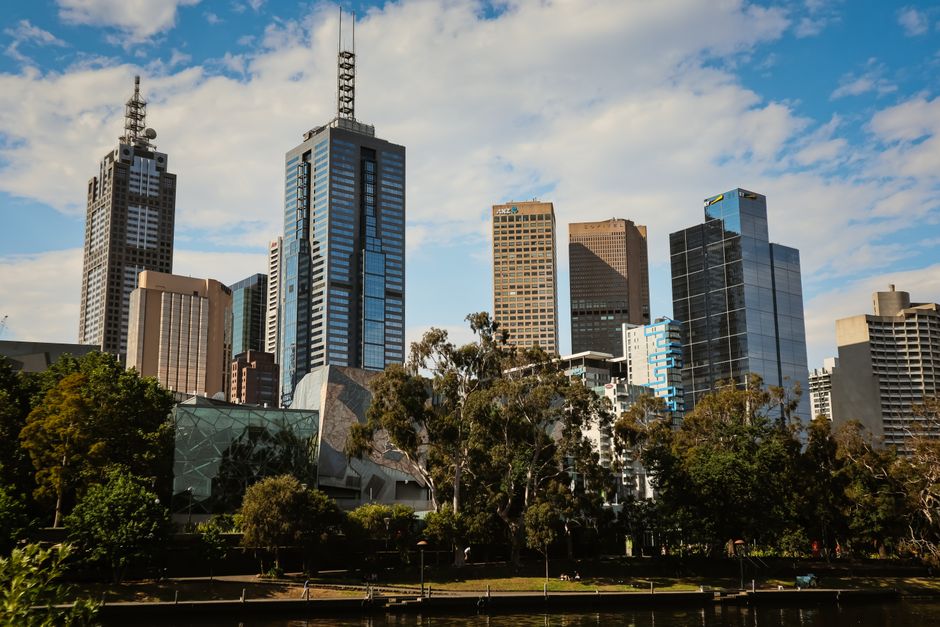
As visitor numbers plateau and operational expenses soar, local hospitality operators warn that 2026 will test the resilience of the Garden City's $400 million annual tourism economy.
Our reporters are based in Toowoomba and cover local government, business and community. We are independently owned and editorially independent. Stories are produced and reviewed by the Toowoomba editorial desk. Read about our newsroom →Read our editorial standards →
Toowoomba's tourism sector is navigating a challenging landscape this year, with hospitality operators along Margaret Street and beyond contending with a confluence of headwinds that threaten to erode margins and visitor spending patterns.
The visitor economy, which typically contributes around $400 million annually to the regional economy, is showing signs of fatigue. Early 2026 figures suggest domestic visitor numbers have plateaued compared to the same period last year, while international arrivals remain subdued. The Toowoomba Regional Council's tourism division reports that overnight stays at major accommodation providers—including establishments around the CBD and in precincts like Clifford Gardens—have remained flat, a stark contrast to the growth trajectory of previous years.
Industry operators cite multiple pressures. Labour costs continue to escalate, with hospitality wages climbing roughly 6 per cent year-on-year. Energy bills for venues ranging from dining establishments on James Street to function centres throughout East Toowoomba have spiked, driven by Queensland's elevated electricity tariffs. Simultaneously, consumer confidence surveys indicate that domestic travellers are tightening discretionary spending, with many choosing shorter trips or opting for cheaper regional destinations.
The international market presents another challenge. The strength of the Australian dollar against key source markets—particularly the euro and pound—has made Toowoomba less price-competitive for British and European tourists who traditionally visit the Garden City during their Australian sojourns. Tour operators report declining bookings for the Toowoomba Carnival of Flowers experience and regional wine country visits.
Air connectivity remains problematic. The reliance on Brisbane Airport, some 125 kilometres distant, means that smaller tourism operators cannot easily tap into the cheaper flight deals available to coastal destinations. Regional aviation partnerships that might boost direct access continue to falter.
Yet the sector is not without opportunities. The Toowoomba Second Range Crossing, now operational, has improved regional accessibility and transit times from Brisbane, potentially opening doors for day-tripper and weekend visitor segments. Boutique accommodation providers and experiential tourism operators—particularly those focused on food tourism and agricultural experiences—report stronger demand from niche markets seeking authentic regional experiences.
Local tourism bodies are advocating for targeted marketing campaigns and collaborative pricing strategies to stimulate visitation during traditionally quieter periods. The challenge, they argue, is demonstrating sufficient ROI to justify investment when margins are already under pressure and visitor yield remains uncertain.
This article was compiled by AI from the sources linked above and screened before publishing. See our editorial standards.