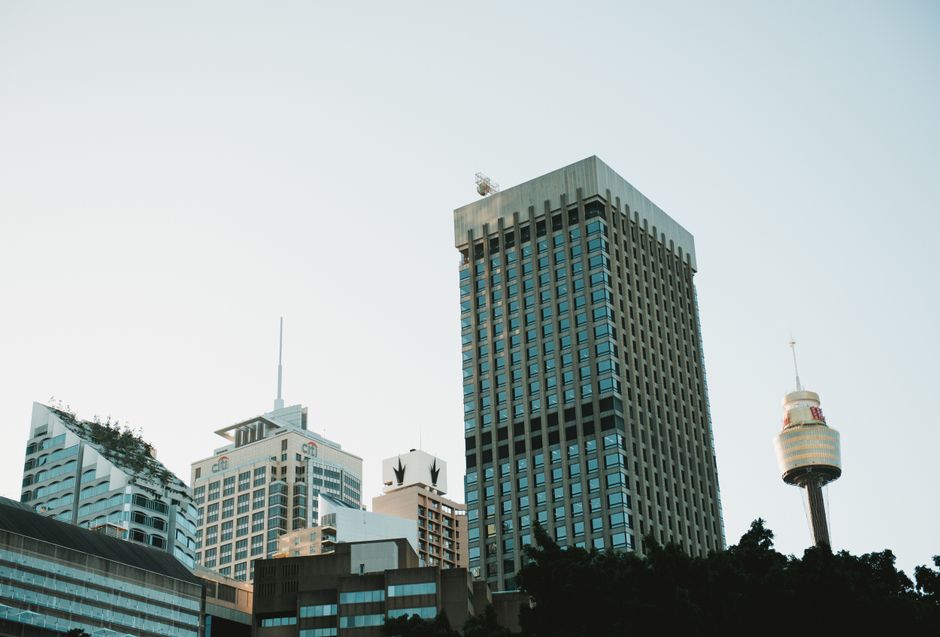
As demand for modern workspace surges, one entrepreneur's ambitious mixed-use projects are positioning the Garden City as a serious contender for regional business investment.
Our reporters are based in Toowoomba and cover local government, business and community. We are independently owned and editorially independent. Stories are produced and reviewed by the Toowoomba editorial desk. Read about our newsroom →Read our editorial standards →
Toowoomba's commercial property market is experiencing a significant shift, and much of the momentum can be traced to the visionary work of developers willing to reimagine the city's core districts. The office sector, in particular, has undergone notable transformation over the past three years, with vacancy rates declining from 12% in 2023 to approximately 7.8% in the current market—a trend that reflects genuine demand rather than speculative activity.
Leading this charge is a wave of mixed-use development projects concentrated along Ruthven Street and the emerging precinct around Margaret Street, where forward-thinking investors recognise that modern businesses no longer want isolated office towers. They want integrated spaces where workers can live, work, and recreate within walkable distances.
The recent completion of several Grade A office complexes in the CBD has set new benchmarks for the region. Buildings offering open-plan layouts, flexible lease terms, and integrated amenities—from ground-floor cafes to secure bike storage—now command premium rents averaging $350–$400 per square metre annually, up from $280 five years ago. Tenancy rates for these modern spaces exceed 95%, suggesting the market will absorb further supply.
Local property agents report sustained interest from businesses relocating from Brisbane and the Sunshine Coast, attracted by lower occupancy costs, shorter commute times, and Toowoomba's growing reputation as a professional hub. The arrival of regional headquarters for several logistics and agribusiness firms has created a multiplier effect, spurring demand for office space among service providers and specialist consultants.
Infrastructure investment has buttressed these trends. The completion of arterial road upgrades and improved public transport links have made the CBD more accessible, while strategic planning around tech infrastructure—gigabit-capable connectivity in several new developments—appeals to digital-first enterprises.
Challenges remain. Construction costs have climbed steeply, and developers must balance ambition with financial realism. Rising interest rates have also cooled some speculative activity. Yet the underlying demand appears solid, underpinned by genuine business need rather than investment hype.
For Toowoomba's economic future, this shift matters significantly. A robust commercial property market signals confidence in the city's trajectory and creates employment both in construction and in the businesses that occupy these new spaces. As the city enters the second half of 2026, the commercial property sector stands as one of the most tangible measures of the Garden City's economic maturation and appeal to serious investors seeking alternatives to congested metropolitan markets.
This article was compiled by AI from the sources linked above and screened before publishing. See our editorial standards.