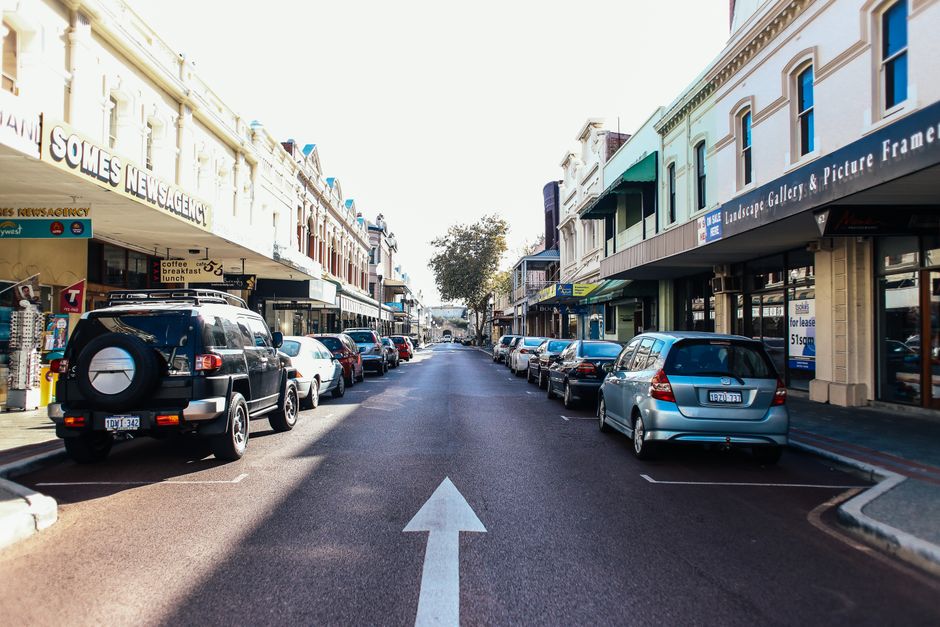
Toowoomba's tourism sector is experiencing a significant recalibration as travel patterns shift globally and domestically. For business owners across hospitality, retail and accommodation, understanding these emerging trends is critical to staying competitive in the visitor economy.
Recent data indicates a notable uptick in regional tourism across Queensland, with Toowoomba capitalising on its position as a major inland destination. The city's hospitality operators—from venues clustered around Margaret Street to the growing precinct near the Toowoomba Regional Council's innovation district—are reporting stronger mid-week bookings, a reversal of traditional weekend-heavy patterns seen over the past three years.
The shift reflects two concurrent trends. First, remote work flexibility has encouraged longer stays by Australian visitors, with many working from Toowoomba for 4-5 days rather than the traditional weekend getaway. Second, international travellers—particularly from Asia-Pacific regions—are diversifying beyond east coast capitals, with Toowoomba's gardens, regional food experiences and proximity to natural attractions becoming more appealing.
However, operators face pricing pressure. Average nightly accommodation rates in Toowoomba have climbed approximately 8-12% year-on-year, yet occupancy growth has plateaued at around 58-62% annually. This mismatch suggests that while demand exists, price-sensitive segments are increasingly choosing alternative destinations or shorter stays.
Data from local tourism bodies shows that dining and experience-based spending has grown faster than accommodation revenue—visitors are staying fewer nights but spending more on dining along Margaret Street, craft beverages and garden experiences. Businesses offering bundled experiences rather than standalone services are outperforming traditional models.
For retail operators, the trend is mixed. Visitor shopping has declined in favour of experience-focused spending, impacting general merchandise retailers while benefiting specialty food, local artisan and gift retailers concentrated in the CBD and heritage precincts.
What should businesses do? Diversify revenue streams beyond accommodation or single-service offerings. Consider dynamic pricing strategies that respond to day-of-week demand. Invest in authentic, locally-rooted experiences—visitors increasingly seek genuine regional narratives rather than generic tourism packages. Importantly, strengthen cross-sector partnerships; bundled experiences combining accommodation, dining and activities are driving longer average visitor spend.
Additionally, operators should monitor international travel recovery patterns. While current trends favour domestic visitors, international markets are reopening, particularly from New Zealand, Singapore and Japan—markets showing strong interest in regional Australian destinations.
The visitor economy remains robust, but the rules have changed. Businesses that adapt pricing strategies, embrace experience-led offerings and build collaborative networks will thrive in Toowoomba's evolving tourism landscape.
This article was compiled by AI from the sources linked above and screened before publishing. See our editorial standards.