community
Toowoomba's Top 5 Suburbs for Families, Schools, and Community in 2026
The best Toowoomba suburbs in 2026 for families, young professionals, retirees, first home buyers and lifestyle seekers.
How we reported this
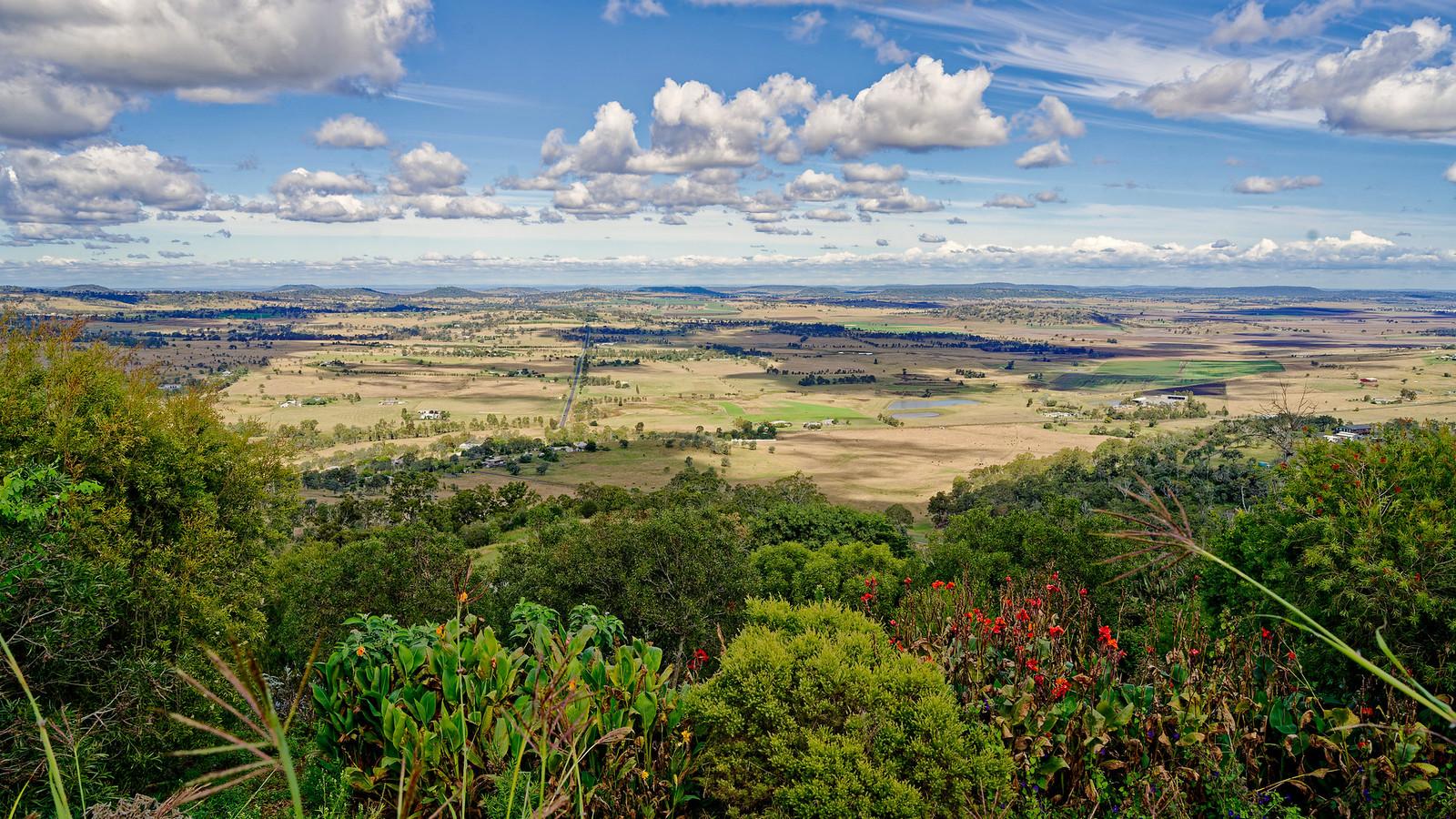
What makes a suburb genuinely great to live in rather than merely adequate is a combination of factors that differ in weighting depending on who you are and what stage of life you are in. For families with school-age children, access to high-quality school catchments and safe street environments typically rank above all other considerations. For young professionals, proximity to the CBD, cafes, fitness studios and social infrastructure matters more than school zones. For retirees and downsizers, the quality of local health services, walkability, community connection and the availability of appropriate housing types including units and smaller homes are the defining factors. What Toowoomba offers in 2026 is the unusual advantage of being large enough to have distinct, character-rich suburbs that genuinely serve each of these groups, while remaining small enough that no part of the city is more than 20 minutes from any other by car.
For families, Rangeville stands out as Toowoomba's premium residential address in 2026. Located on the city's eastern escarpment with leafy streets, elevated outlooks across the Lockyer Valley and proximity to Downlands College, Toowoomba Grammar School and Fairholme College, Rangeville attracts families who prioritise private schooling access and prestige. Median house prices in Rangeville have pushed above $850,000, making it the city's most expensive suburb, but the depth of demand from owner-occupier families ensures low turnover and strong long-term capital preservation. For young professionals, the inner CBD suburbs of East Toowoomba and the streets immediately surrounding Queens Park offer a walkable, cafe-rich lifestyle with access to Ruthven Street's restaurant and bar precinct, heritage streetscapes and the cultural amenity of the Toowoomba Regional Art Gallery and Cobb and Co Museum. Median prices in East Toowoomba sit around $620,000 to $680,000, with renovated Queenslander homes attracting strong buyer competition.
Retirees and downsizers are increasingly drawn to Centenary Heights and Middle Ridge, two of Toowoomba's most established and well-serviced residential suburbs. Both areas offer flat to gently undulating terrain that is manageable for older residents on foot, strong access to Toowoomba's major hospitals and specialist medical services, and a settled community character built over decades of owner-occupier stability. Unit and townhouse stock in both suburbs provides appropriate downsizer options without the isolation of purpose-built retirement communities, and median prices for units in these areas range from $380,000 to $450,000. For first home buyers and affordability seekers, Harristown, North Toowoomba and Newtown provide the city's best entry-level opportunities, with three-bedroom houses available in the $480,000 to $580,000 range that deliver solid bones, established gardens and proximity to schools, shops and the CBD without the premium of the city's more prestigious addresses.
The suburb to watch in Toowoomba in 2026 for early mover opportunity is Wilsonton, located in the city's western corridor. Historically one of Toowoomba's more affordable and industrially adjacent residential areas, Wilsonton is benefiting from the ripple effect of the Toowoomba Second Range Crossing's western interchange, improved access to the Wellcamp Business Park precinct and increasing investment in local retail and community infrastructure. Three-bedroom houses in Wilsonton can still be acquired in the $420,000 to $510,000 range, providing a meaningful discount to the city median while offering the infrastructure tailwinds that typically precede above-average capital growth. Investors and first home buyers who move into Wilsonton ahead of the broader market recognition of these drivers are positioned to benefit disproportionately as the suburb's profile rises through 2027 and beyond.