Technology
Renewable Energy Toowoomba: Benefits and Hidden Costs
Toowoomba's solar corridor attracts millions in investment, but experts warn renewable energy comes with supply-chain risks and ethical concerns demanding scrutiny.
How we reported this
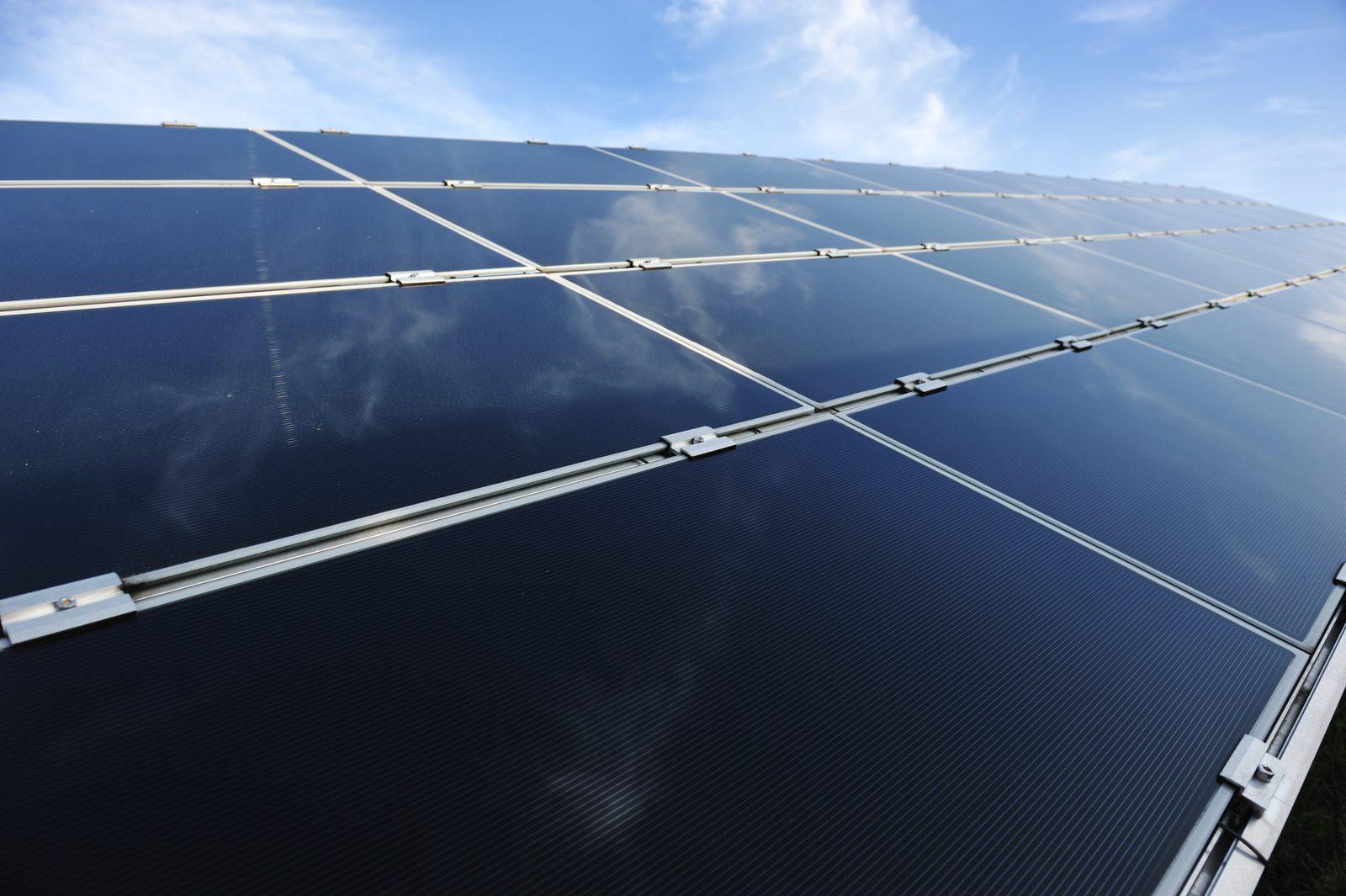
Toowoomba's ambitions to become a global clean-energy leader are undeniable. The city's renewable energy corridor along the Highfields region has attracted millions in investment, and solar installations across suburbs like Willow Vale and Southside now generate enough power to service thousands of homes. Yet beneath this optimistic narrative lies a more complicated reality: one where environmental promise collides with economic trade-offs, resource scarcity, and ethical blind spots.
Consider the lithium problem. Battery manufacturing for electric vehicles and grid storage requires vast quantities of lithium, cobalt, and rare earth minerals-commodities extracted under conditions that frequently exploit labour and devastate ecosystems in developing nations. While Toowoomba celebrates its growing EV infrastructure around James Street and the Innovation Quarter, few discussions address the human cost embedded in those batteries. Australia extracts significant lithium, but processing remains energy-intensive and water-demanding-a concern in a region already grappling with drought cycles.
Solar panel recycling presents another blind spot. Queensland's solar boom has created mountains of end-of-life panels, many destined for landfill because recycling infrastructure remains underdeveloped. A typical residential panel contains glass, silicon, and toxic materials that require specialist handling. Toowoomba's push toward rooftop solar adoption hasn't been matched by local recycling capacity or circular-economy planning.
The social equity dimension compounds these challenges. Premium solar installations and EV charging networks cluster in affluent postcodes like Rangeville and Middle Ridge, while lower-income neighbourhoods around CBD West face higher energy costs and slower transition support. Green technology, without deliberate inclusion strategies, risks widening the wealth gap rather than democratising clean energy access.
Corporate greenwashing adds another layer of concern. Major corporations headquartered or operating in Toowoomba frequently announce sustainability targets while continuing practices that mask true environmental impact-offshoring emissions, exaggerating recycled-content claims, or leveraging regulatory loopholes. The lack of transparent, independent auditing means consumers and investors operate with incomplete information.
None of this suggests abandoning clean-energy transition. Rather, it demands honest conversations. Toowoomba's tech community and civic leaders should champion renewable energy *and* question its implementation. This means investing in local recycling infrastructure, ensuring equitable access to green technology, demanding ethical supply-chain transparency, and resisting the comfortable fiction that technological solutions alone solve environmental crises.
The city's sustainability journey will be defined not by renewable gigawatts installed, but by whether Toowoomba builds green infrastructure that's genuinely sustainable-economically just, environmentally honest, and ethically grounded. That's the harder conversation the region needs to embrace.