Technology
Solar Panels Toowoomba: Growth vs Ethical Challenges
Solar installations in Toowoomba have tripled since 2023, but affordability and supply chain ethics raise concerns. Explore the real costs of the renewable energy boom on the Darling Downs.
How we reported this
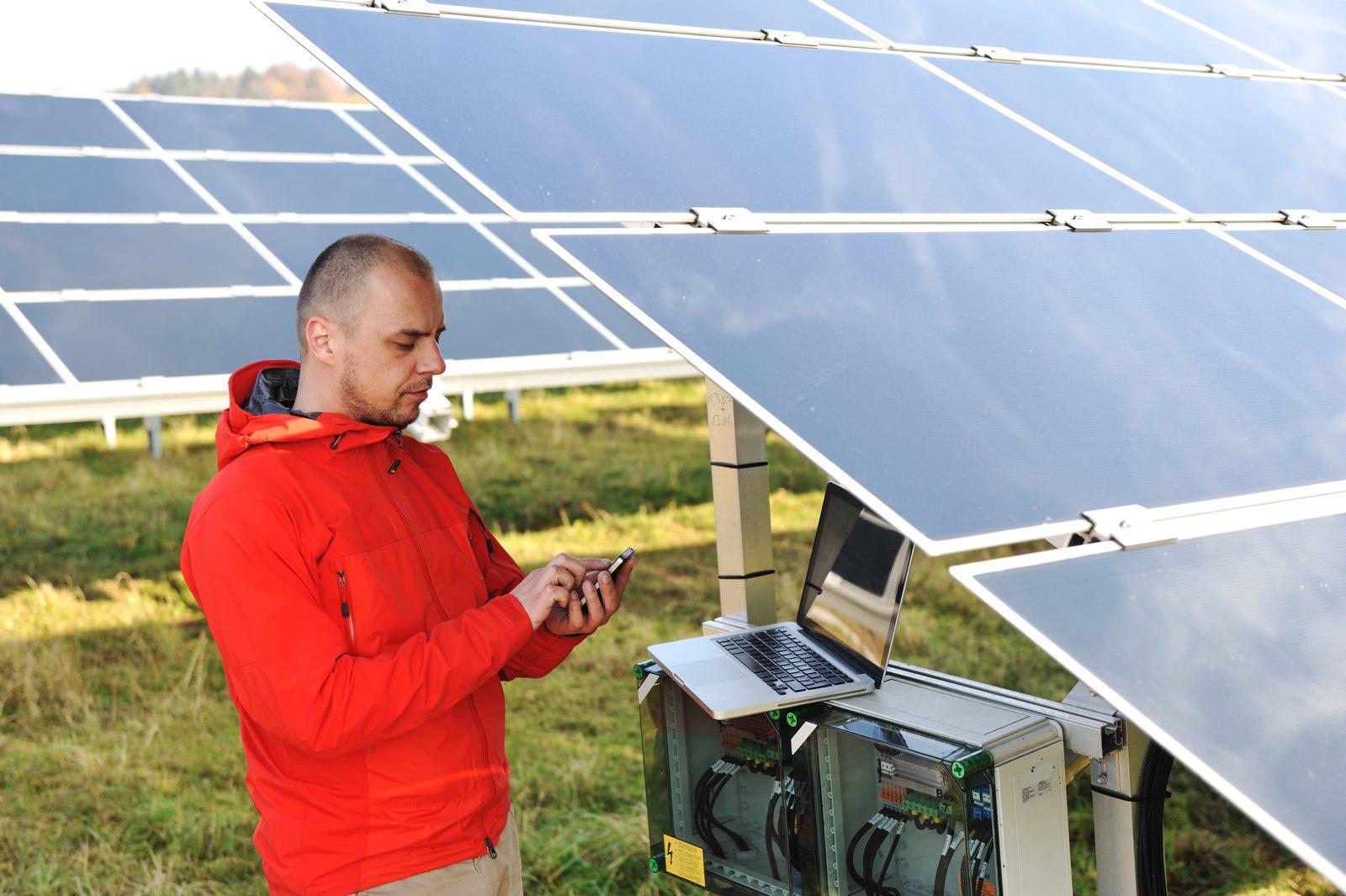
Toowoomba's commitment to renewable energy has accelerated dramatically. Solar panel installations across the region have tripled since 2023, with residential systems now averaging $8,500 after rebates-a figure that excludes roughly 40% of households unable to afford upfront costs, according to local sustainability advocates.
The growth is undeniable. Industrial precincts near the Toowoomba Business Park have embraced rooftop solar, while homeowners along Ruthven Street and throughout Rangeville have retrofitted properties with battery storage systems. Council initiatives promoting clean energy have garnered genuine enthusiasm. Yet beneath this optimistic narrative lie uncomfortable questions that Toowoomba's tech and sustainability communities are only beginning to address seriously.
The first challenge is supply chain transparency. Most solar panels installed locally arrive from Southeast Asian manufacturers operating under scrutiny for labour practices and environmental standards. While retailers on Mackenzie Street tout sustainability credentials, few consumers can verify whether their panels were produced ethically. The Toowoomba Sustainability Alliance has begun pushing for better traceability, but enforcement remains voluntary.
Then there's the waste problem. Solar panels last 25-30 years, meaning Australia faces an imminent e-waste crisis as first-generation installations reach end-of-life. Toowoomba lacks dedicated recycling infrastructure for photovoltaic panels. Currently, most are diverted to landfills or exported-practices that shift environmental burden elsewhere, contradicting the ethics of clean energy itself.
Battery storage compounds the dilemma. Lithium extraction in developing nations has documented environmental and human rights costs. As Toowoomba residents increasingly adopt home battery systems, few question the full lifecycle impact. Prices have dropped to $7,000-$12,000 per system, making adoption easier but moral accounting harder.
Equity concerns cut deeper still. Affluent suburbs benefit disproportionately from government incentives and can afford cutting-edge systems, while renters and lower-income households on Greenmount and other areas remain locked out. This creates a two-tiered clean energy future-one progressive and one left behind.
Community groups like those meeting at Toowoomba Library are demanding answers. They're asking whether the region's green technology agenda serves everyone, or merely amplifies existing disparities under a sustainability veneer.
The path forward requires honest reckoning. Toowoomba's clean energy ambitions are admirable, but not if built on obscured supply chains, deferred waste problems, and unequal access. Real sustainability demands confronting these challenges-not celebrating the technology while ignoring who pays the true cost.