property
Renters in Toowoomba Pay Less Than Half of Brisbane Rates, But the Buyer's Window Is Closing Fast
A regional affordability gap that once made Toowoomba a refuge from capital city pressure is narrowing, and residents are running out of time to act on it.
How we reported this
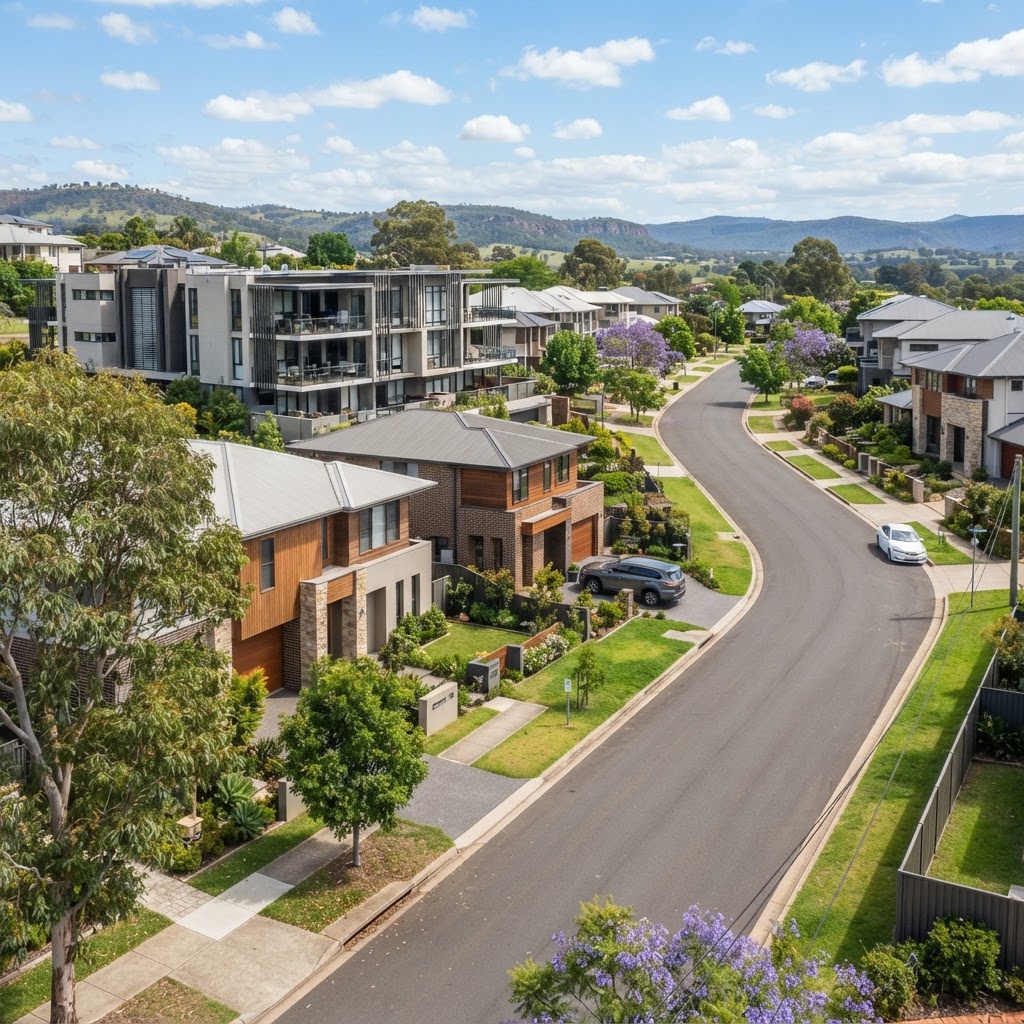
Weekly rents on Ruthven Street and across Toowoomba's established suburbs are still tracking well below the Brisbane median, but the gap is compressing at a rate that should alarm anyone sitting on the fence about whether to rent or buy in the Garden City.
Queensland's statewide median dwelling price sits around $490,000, and Toowoomba has historically priced below that benchmark. Meanwhile, Melbourne's auction market has recorded its weakest winter opening in living memory, a reminder that no regional market exists in isolation from the pressures reshaping Australian housing from the top down. When capital cities stall, investors and owner-occupiers alike look inland. Toowoomba is inland.
That dynamic matters right now for one specific reason: the $10 billion Inland Rail project continues to pull construction workers, logistics companies and ancillary services into the region. Those workers need somewhere to live. The rental vacancy rate in Toowoomba has been tight for the better part of three years, and every new workforce cohort attached to major infrastructure tightens it further. For renters already here, that means upward pressure on weekly costs. For prospective buyers, it means the window where purchasing still beats renting on a five-year cashflow comparison is getting shorter.
What the Numbers Look Like on the Ground
A three-bedroom house in Highfields, the northern growth corridor that has absorbed much of the city's new residential development, was advertising for rent at roughly $480 to $520 per week through mid-2026, according to listings on major property portals. A comparable property in Brisbane's middle ring, say Chermside or Zillmere, was sitting closer to $650 to $700 per week. That spread, once more than $300 per week, is now under $200 in many like-for-like comparisons. At the same time, Highfields purchase prices have risen sharply, with newer estates on the northern fringe listing house-and-land packages above $650,000.
Glenvale, on Toowoomba's southwestern edge, tells a similar story. The suburb attracted first-home buyers through the Federal Government's Home Guarantee Scheme, which allows eligible purchasers to enter the market with a five percent deposit and no lenders mortgage insurance. Demand from that cohort has driven median values up, and the rental yield compression that follows means landlords are less incentivised to hold property without reviewing rent levels annually.
The affordability calculus for a Toowoomba renter in 2026 breaks down like this: if a household earns the regional average wage and is paying $490 per week in rent, they are allocating roughly 28 to 30 percent of gross income to housing, still below the 30 percent stress threshold that housing economists use as the standard danger line. In Brisbane, the same income profile against a $670 weekly rent pushes that ratio above 38 percent. The regional buffer exists. But it is not as wide as it was in 2022, when the spread was dramatic enough to trigger a genuine migration wave from southeast Queensland.
The Buyer's Calculation for Mid-2026
For anyone earning enough to service a mortgage, the numbers still favour buying over renting in Toowoomba over a seven-to-ten year horizon, provided they can get past the deposit hurdle. The Queensland Housing Finance Loan, administered through the Queensland Government, remains one of the less-publicised tools available to eligible low-to-moderate income earners who cannot access commercial financing. The program is not widely advertised at street level, but the Toowoomba office of the Department of Housing handles inquiries.
The practical advice for renters watching this market is blunt: the affordability advantage Toowoomba holds over Brisbane is still real but is no longer dramatic enough to justify indefinite delay. Suburb selection matters more than it did three years ago. Rockville and Harristown, both within five kilometres of the CBD, still offer entry-level purchase prices below the Queensland median, with rental equivalents that make ownership cost-competitive within four to five years on standard mortgage terms. Highfields and Glenvale require a longer payback horizon and a bigger deposit to pencil out. The city's affordability story is not over, but the easy version of it probably is.
This article is general information only and is not personal financial or investment advice. Consider your own circumstances and seek licensed professional advice before making financial decisions.