property
The $10 Billion Rail Line That's Turning a Toowoomba Fringe Suburb Into the Region's Next Commuter Hotspot
Planning applications are stacking up on the Toowoomba Regional Council desk as the Inland Rail corridor reshapes where buyers are looking, and how far they're willing to live from the CBD.
How we reported this
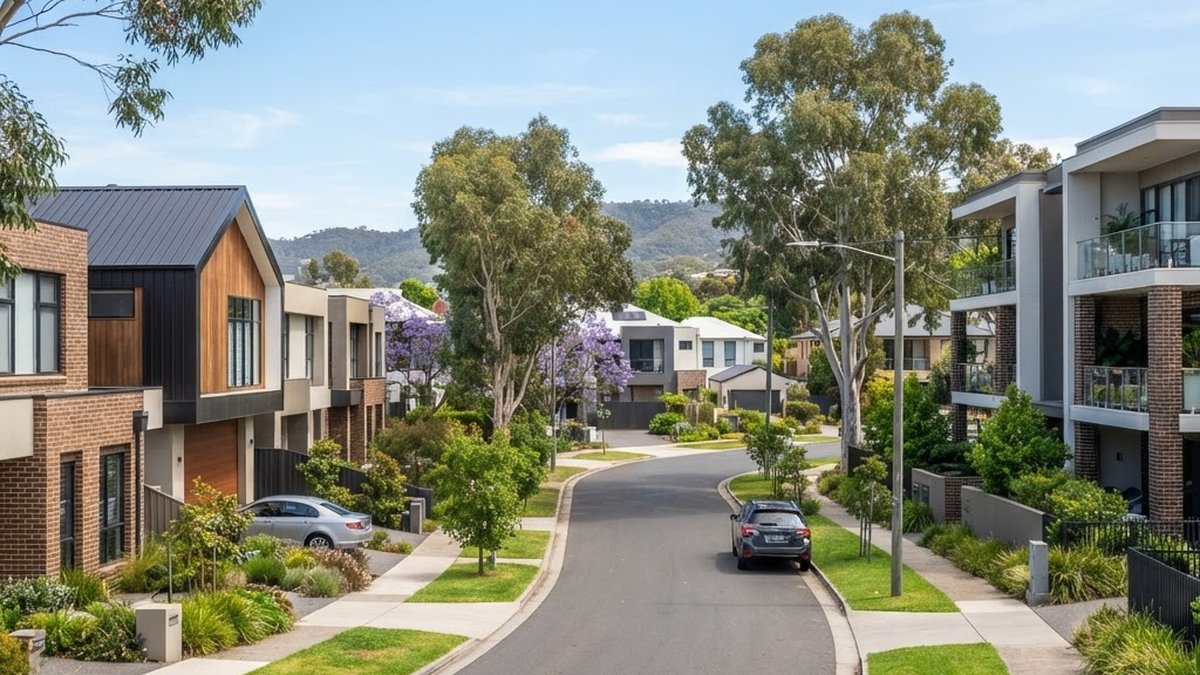
Buyers are moving the goalposts. Land that sat quietly on Toowoomba's southern and western fringes for years is now attracting serious development interest, with the $10 billion Inland Rail project acting as the catalyst that planners and agents say they've been watching build since the Australian Rail Track Corporation locked in its Queensland alignment.
The shift matters because it's happening fast. Toowoomba Regional Council received a cluster of subdivision and development applications in the first half of 2026 for land parcels along and near the Warrego Highway corridor, a stretch that connects the city's industrial estate at Charlton to outlying communities like Cambooya and Greenmount. Developers are betting that once Inland Rail moves freight off local roads and improves the case for passenger rail investment on the east coast network, living 20 to 30 kilometres from the Toowoomba CBD becomes considerably more attractive.
Where the Activity Is Concentrated
Glenvale and Highfields have already absorbed a decade of population growth off the back of Toowoomba's relative affordability against southeast Queensland. But the newer pressure point is further south. The rural residential land around Cambooya, about 28 kilometres down the New England Highway from the CBD, is drawing interest from developers who see parallels with how Highfields looked in the mid-2000s before infrastructure caught up with population.
The Toowoomba Regional Council's Planning Scheme identifies the Cambooya township as a future urban investigation area. That designation matters: it opens the door to rezoning applications that can shift land from rural to residential purposes, which is exactly what several landholders in the area have been pursuing. On the northern edge of the city, the Wilsonton industrial precinct continues to attract logistics and warehousing proposals linked to Inland Rail's freight terminals, which will sit near the Toowoomba Second Range Crossing, the $1.6 billion highway completed in 2019 that already rewired how freight moves through the Darling Downs.
For residential buyers priced out of established suburbs like Rangeville or Middle Ridge, where median house prices have tracked above Queensland's broader median of roughly $490,000, the fringe corridor offers a different calculation. Rural residential lots south of the city have been listed in recent months with asking prices starting below $200,000 for half-hectare blocks, a gap that's hard to ignore when Glenvale house-and-land packages regularly clear $550,000.
The Infrastructure Bet Underpinning It All
Inland Rail's Queensland leg, managed by the Australian Rail Track Corporation, is the single biggest piece of the puzzle. The project's Toowoomba-to-Kagaru segment will pass through the Lockyer Valley and connect to the Port of Brisbane, which gives the Darling Downs a direct freight rail link that bypasses the congested southeast Queensland road network. That has obvious industrial and agricultural implications, grain, cotton and livestock exports from the region move more efficiently, but the secondary effect on land values is what property developers are pricing in now.
Toowoomba's population sits at roughly 180,000 across the local government area, making it Queensland's largest inland city. Council projections anticipate that figure growing toward 220,000 by 2041, a number that requires substantial new housing stock across the LGA. The southern corridor, with its relatively flat terrain and existing road connections via the New England and Warrego Highways, is one of the few directions left where large-scale subdivision is feasible without the engineering complexity that comes with building on the range escarpment.
For buyers watching this space, the practical question is timing. Development applications take anywhere from three months to over a year to work through council, depending on complexity and whether an environmental impact assessment is required. Anyone considering purchasing rural land in the Cambooya or Greenmount belt with subdivision or development intent should engage a town planner early, before lodging, to understand where the planning scheme constraints sit and whether the land has already been identified in Council's infrastructure charging framework. The infrastructure charges schedules, which determine what developers pay toward roads, water and sewerage, can significantly affect a project's feasibility and are worth examining before any contract is signed.
This article is general information only and is not personal financial or investment advice. Consider your own circumstances and seek licensed professional advice before making financial decisions.