property
Is Renting Actually Cheaper Than Buying in Toowoomba Right Now?
With Toowoomba’s property market shifting rapidly, locals are crunching the numbers to decide whether to rent or buy in 2026.
How we reported this
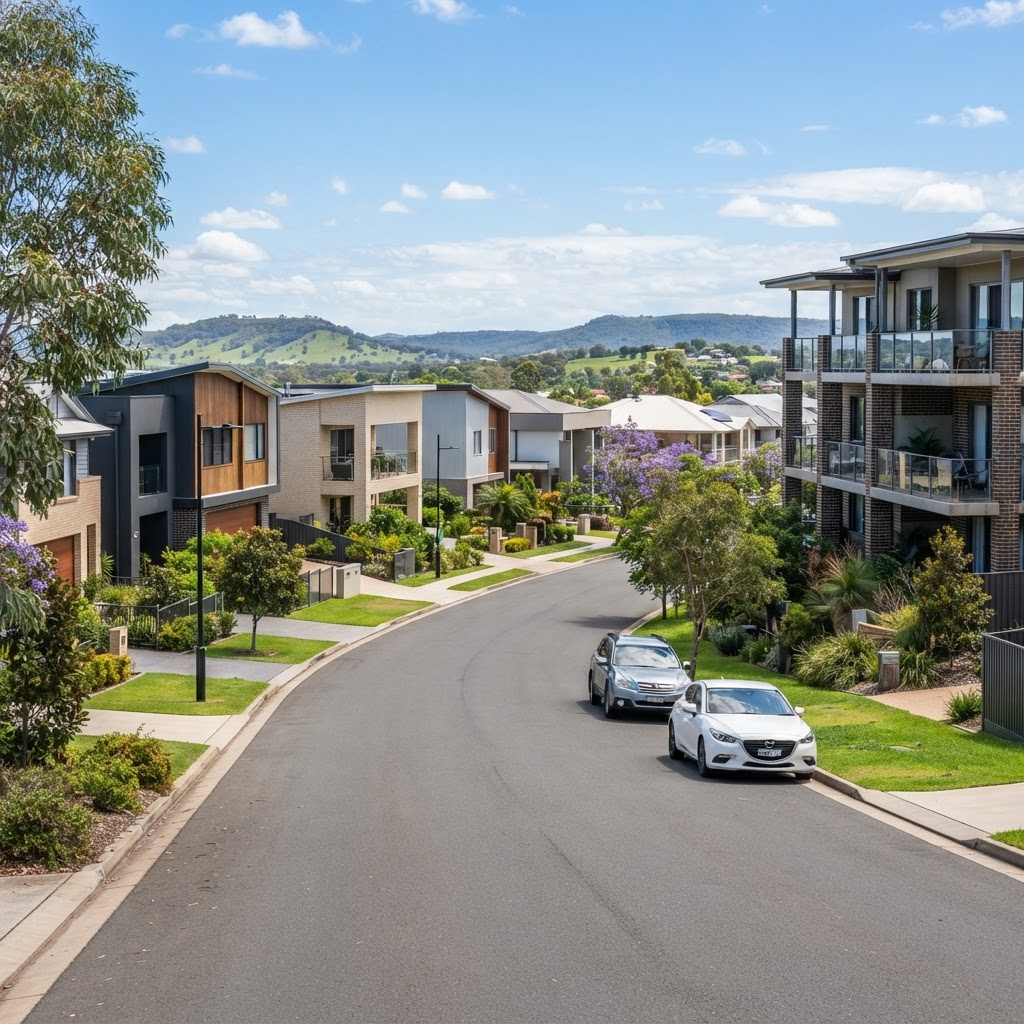
For residents weighing up whether to rent or buy in Toowoomba, the gap between weekly rent and mortgage repayments has rarely felt more critical. As property prices rise steadily across the Garden City, many locals are questioning if home ownership is still the more cost-effective option compared to leasing.
It’s a timely question for Toowoomba, where inflation pressures and strong population growth have driven sharp debate around housing affordability. Attending open homes in North Toowoomba or chasing vacancies near the University of Southern Queensland, would-be buyers and renters alike report fierce competition. This dynamic matters now more than ever as new infrastructure, including the $10 billion Inland Rail project, underpins the region’s future growth, fuelling both real estate sales and rental demand.
Different Calculations in Local Suburbs
Take Glenvale in the west and Highfields to the north, two of Toowoomba’s fast-growing neighbourhoods. Local agencies such as Elders Real Estate and Ray White Toowoomba have seen heated interest from buyers, with strong demand pushing up entry-level prices. Families considering house-and-land packages in Glenvale, for example, often weigh the security of a mortgage against flexibility of renting, especially given the costs of council rates and maintenance.
Meanwhile, tenants searching on streets like Bridge Street in Mount Lofty or around the Toowoomba Hospital precinct are contending with low vacancy rates and rents that have tracked upwards over the past year. For many, the sums do not always favour buying: with banks requiring higher upfront deposits, plus rising interest rates, monthly mortgage repayments can eclipse current average rents in parts of the city.
Breaking Down the Numbers
According to data published by realestate.com.au and recent reporting, the median house price in Toowoomba sits around $490,000. For a first-home buyer putting down a 20% deposit, the initial outlay and ongoing mortgage repayments can add up, especially as home loans reflect the higher interest rates of 2026. Against this backdrop, many renters are finding that, at least in the short term, their weekly rental payments in some suburbs remain below what they’d pay for a comparable home loan-and that’s before factoring in stamp duty, insurance, and annual maintenance costs for owners.
The story is not uniform, however. In some pockets such as Harristown and South Toowoomba, higher rents have started to narrow the gap, with some houses seeing rental yields more closely mirroring average repayments. Yet for many locals, especially singles and young families, renting continues to offer a lower-cost-if less secure-housing solution for now.
With the agricultural sector and major employers like Toowoomba Hospital anchoring demand for both purchase and rental, the market is expected to stay active. For those on the fence, experts advise running the real numbers before making a decision. Prospective buyers should factor in loan pre-approval conditions and ongoing overheads, while renters can use local calculators (such as the one available on Toowoomba Regional Council’s website) to compare true cost-of-living scenarios. As major projects like the Inland Rail continue, and with new housing developments popping up from Wilsonton to Highfields, the rent-versus-buy equation will likely stay at the forefront for Toowoomba residents throughout 2026.
This article is general information only and is not personal financial or investment advice. Consider your own circumstances and seek licensed professional advice before making financial decisions.