property
Toowoomba Renters Stress-Test the 30% Rule as Rents Climb
As Toowoomba rents climb and the Queensland median house price sits around $490,000, the old rule of thumb that kept renters financially safe is being stress-tested like never before.
How we reported this
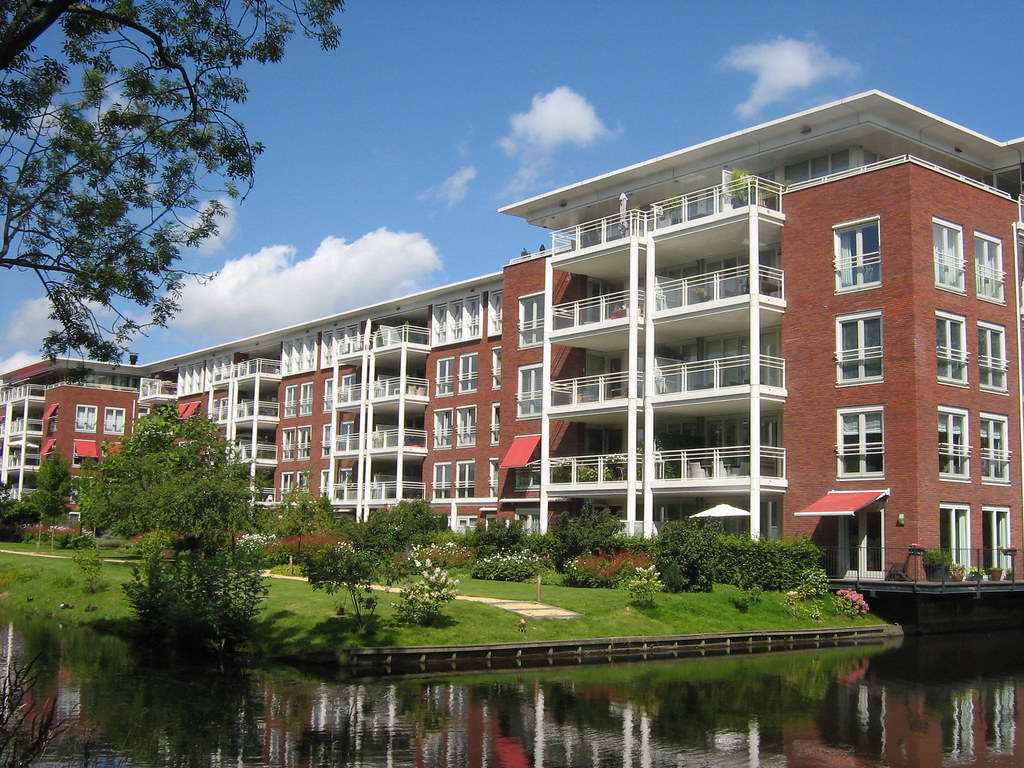
The number is deceptively simple: spend no more than 30 percent of your gross income on housing. For decades, that benchmark has been the standard measure of rental affordability used by housing researchers, financial counsellors and government agencies across Australia. In Toowoomba in mid-2026, a growing number of renters are blowing past it every fortnight.
The why-now question has a straightforward answer. Queensland's median house price is sitting around $490,000, a figure that has pushed thousands of would-be buyers back into the rental pool. Add a $10 billion inland rail construction project drawing skilled workers and their families into the Darling Downs region, and Toowoomba's rental market is absorbing demand from multiple directions at once. The result is a tightening vacancy rate and upward pressure on weekly rents that is outpacing wage growth for many ordinary households.
What the 30% Rule Actually Means on Ruthven Street
Run the numbers against local wages and the arithmetic gets uncomfortable quickly. A full-time worker on the national minimum wage, $24.10 per hour as of July 2025, yielding a gross annual income of roughly $47,000, can afford approximately $271 per week in rent before breaching the 30 percent threshold. A three-bedroom house in established suburbs like Harristown or Kearneys Spring is currently advertising for between $420 and $480 per week on major listings platforms, based on current market observations. That gap is not a rounding error; it represents genuine housing stress for anyone in the lower half of the income distribution.
The Toowoomba Regional Council's local government area has seen significant residential expansion in outer growth corridors, particularly around Highfields to the north and Glenvale to the southwest. New estates in those areas have added housing stock, but the entry-level rental properties that low-to-moderate income earners depend on are concentrated in the older inner suburbs, Newtown, Wilsonton, South Toowoomba, where land is fixed and supply cannot easily expand. The Toowoomba Community Housing office on Neil Street, which administers social and affordable housing allocations for the region, has recorded ongoing high demand for its waiting lists, though specific current figures require confirmation from the organisation directly.
For prospective buyers watching from the rental sideline, the calculus is equally uncomfortable. At Queensland's current median of around $490,000, a 20 percent deposit requires saving $98,000. On the minimum wage example above, after paying $420 per week in rent, a household has precious little left to accumulate that kind of capital. The Toowoomba-based financial counselling service operated through Centacare South West Queensland, which runs sessions from its office on Margaret Street, regularly works with clients caught in exactly this bind: too stretched by rent to save a deposit, yet not eligible for social housing.
Renting Versus Buying: Where the Lines Cross
There is a scenario, of course, where renting temporarily is the rational choice. If a buyer purchases at a stretched price point and their mortgage repayments exceed 35 to 40 percent of gross income, they have simply traded rental stress for mortgage stress. The Reserve Bank of Australia has held the cash rate steady through the first half of 2026, and the current variable mortgage rate environment means a $490,000 loan at a typical variable rate above six percent still generates monthly repayments above $3,000, roughly $693 per week, before rates, insurance or body corporate fees.
Gen Z buyers, who have watched property prices rise through most of their adult lives, have not abandoned the goal of ownership. National survey data consistently shows younger cohorts still rank home ownership as a priority. But the path from renting in Wilsonton to owning in Glenvale has lengthened, and the 30 percent rule, designed as a guardrail, not a guarantee, is now something many Toowoomba renters regard as an aspiration rather than a lived reality.
The practical advice from financial counsellors in the sector is consistent: audit every expense before signing a new lease, not after. If a rent commitment will push housing costs beyond 35 percent of take-home pay from day one, the contract is starting from a deficit. Households in that position should contact Centacare South West Queensland or the National Debt Helpline on 1800 007 007 before committing to a lease, because a rental agreement is a legal obligation, and the 30 percent rule cannot be wished into existence once the ink is dry.
This article is general information only and is not personal financial or investment advice. Consider your own circumstances and seek licensed professional advice before making financial decisions.