property
Is Renting Actually Cheaper Than Buying Right Now?
A close look at Toowoomba's numbers reveals the answer is more complicated than renters and first-home buyers might hope.
How we reported this
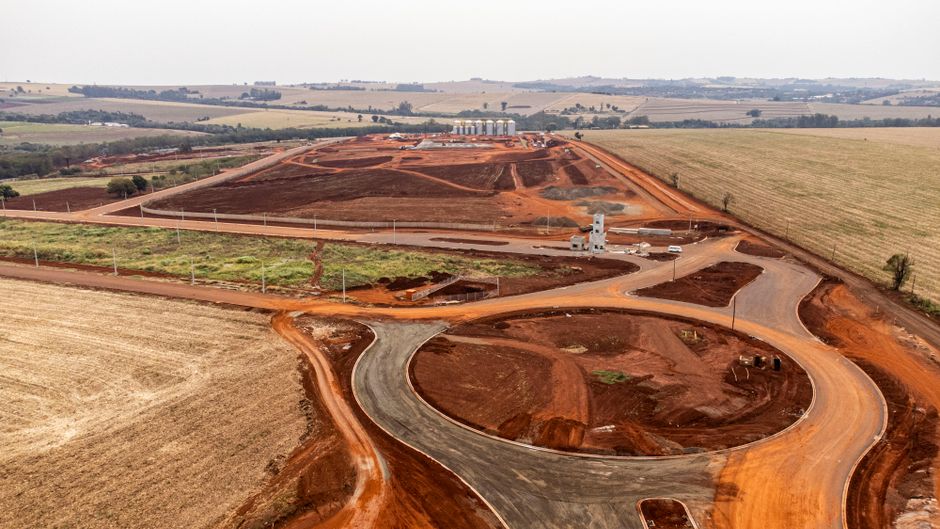
For the first time in recent memory, the monthly cost of renting a three-bedroom house in Toowoomba sits uncomfortably close to the cost of servicing a mortgage on the same property, and for many households, the arithmetic now tilts against buying. With Queensland's median house price hovering around $490,000 and interest rates still well above the lows of three years ago, the old wisdom that buying always beats renting deserves a hard look in the Garden City.
This question matters right now because conditions have shifted sharply on both sides of the ledger. Rental vacancy across Toowoomba has been tight for the better part of two years, pushing weekly rents upward and squeezing tenants. At the same time, buyers face a cash rate environment that makes a standard 80 percent loan-to-value mortgage significantly more expensive to service than it was in 2021. Southern markets are feeling it badly, Melbourne's auction clearance rates recently posted their weakest winter-opening figures on record, but Toowoomba's own dynamics are distinct, shaped by the $10 billion Inland Rail project drawing workers to the region and a population that keeps expanding into suburbs like Highfields and Glenvale.
The Numbers on the Ground
A three-bedroom home in Harlaxton or Newtown, solid, established suburbs within five kilometres of the CBD, is typically listed for rent somewhere between $450 and $520 per week, based on current listings on major property portals. Buy that same home at the Queensland median of $490,000 with a 10 percent deposit and a standard variable rate, and the principal-and-interest repayments alone land well above $600 per week, before you factor in council rates, insurance, and maintenance. The gap between renting and owning has not been this narrow in Toowoomba for years, and in some pockets it has actually inverted.
Highfields, where new estates continue to be released by developers including those along the Highfields Road corridor, tells a slightly different story. Entry-level house-and-land packages in that growth corridor have been marketed in the $550,000 to $650,000 range, which pushes monthly repayments higher still. Rental properties in the same suburb command a premium too, but the ownership cost gap remains wider there than in established inner suburbs. For buyers relying on the federal government's Help to Buy shared equity scheme, which remains available to eligible low-to-middle income applicants in Queensland, the calculus shifts again, because a smaller loan principal cuts the weekly repayment burden meaningfully.
What First-Home Buyers Should Actually Consider
Renting is cheaper in the short run for many Toowoomba households right now. That is simply true. But the comparison breaks down the moment you account for equity accumulation, rent increases over time, and the region's longer-term growth drivers. The Inland Rail construction activity centred on the Toowoomba range and the broader Darling Downs freight corridor is not a small factor, it represents sustained economic weight that has historically supported property values through employment and population inflow.
Renters who are sitting tight and saving should be directing the difference between their rent and a theoretical mortgage repayment into a deposit account, not treating lower housing costs as found money. A household saving an extra $200 per week over 24 months adds roughly $20,800 to a deposit, enough to meaningfully change the loan size and therefore the repayment equation when they do buy.
First-home buyers in Toowoomba would also do well to check their eligibility for the Queensland First Home Owner Grant, currently set at $30,000 for new builds, and to engage a mortgage broker who understands local lender appetite for properties in high-growth corridors like Glenvale, where some lenders apply additional scrutiny to valuations on new estates. The Real Estate Institute of Queensland publishes quarterly median data specific to the Darling Downs region, which offers a more accurate local baseline than statewide figures for anyone trying to make this call in 2026.
The honest answer to whether renting or buying is cheaper right now is: renting costs less each week, but buying builds something renting does not. The decision comes down to how long you plan to stay put, and how much runway you have to absorb the higher short-term cost.
This article is general information only and is not personal financial or investment advice. Consider your own circumstances and seek licensed professional advice before making financial decisions.