policy
Toowoomba Council Approves Major Infrastructure Spend to Boost Local Jobs and Services
$10 billion in ongoing infrastructure works, including the Inland Rail and city services upgrades, are expected to create employment opportunities and improve amenities for Toowoomba residents.
How we reported this
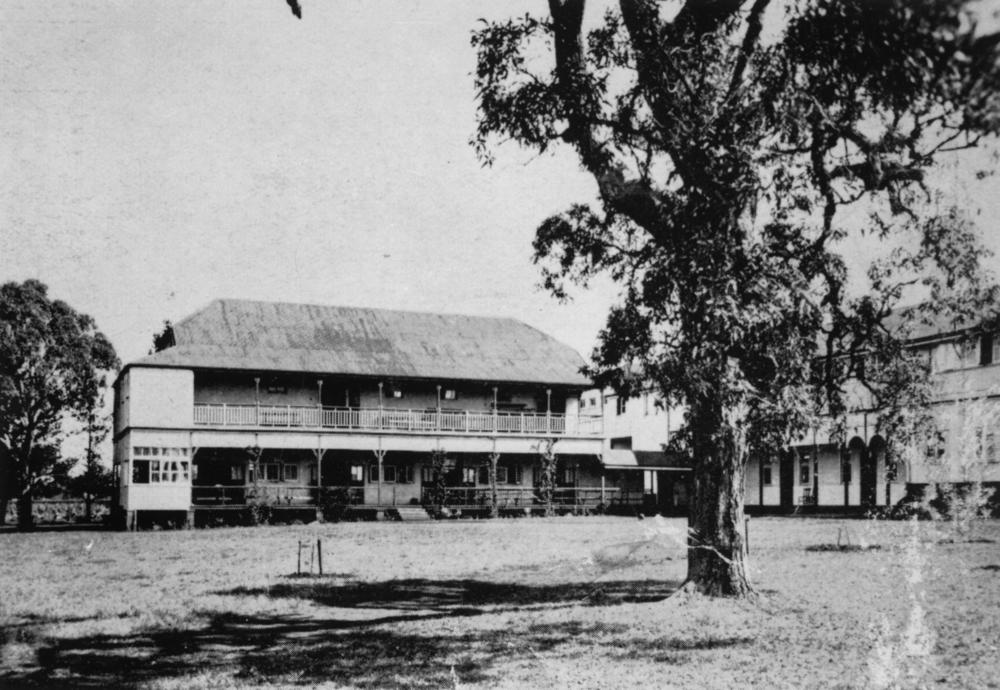
Toowoomba city council has confirmed its commitment to a series of major infrastructure and services investments aimed at supporting job growth and upgrading community facilities. The decisions, revealed in the latest council agenda, highlight targeted spending on roads, public facilities and essential services as well as the city’s ongoing involvement in the Inland Rail project. Local residents are expected to see direct impacts through improved amenities, increased employment prospects, and expanded services over the coming years.
Infrastructure Matters as Toowoomba Grows
The timing of these initiatives comes as Toowoomba continues to experience growth linked to regional population shifts and the city’s strategic position as a transport hub. Council documents cite the Inland Rail construction phase and recent commitments to health and educational facilities as central reasons for accelerating local infrastructure planning. With the Western Downs renewable energy zone and Darling Downs health investment programs also underway, local government has flagged the need to upgrade roads, water infrastructure, and recreation areas to absorb new demand and maintain service quality.
What Residents Can Expect
For local families and workers, the decisions mean expanded roadworks, upgraded parks and sporting facilities, and strengthened waste management services over the next year. Council plans indicate that communities in suburbs like Glenvale and Highfields are slated for new playgrounds and refitted community centres. There are also provisions for increased funding to job-seeker programs connected to the railway build and local business support initiatives. In health and emergency services, council minutes detail additional collaboration with the state government to resource regional clinics and schools, aiming to ensure that the benefits of new projects flow to all parts of the city.
According to government allocation records, the Inland Rail project alone represents a $10 billion overall investment through its Queensland corridor, part of which directly supports Toowoomba-based construction and engineering firms. Local policy analysts highlight that these large-scale builds tend to create both direct construction employment as well as indirect logistics, manufacturing, and maintenance roles for Toowoomba residents. Council budget papers additionally outline increases to spending on community amenities to keep pace with anticipated demand.
Next Steps and Community Engagement
Council papers say public consultation will open later this month for feedback on specific neighbourhood priorities, including input on traffic management, playground upgrades, and support for small business. In parallel, the city’s strategic planning unit is expected to release updates on project timelines for major works linked to the Inland Rail and regional service facilities. State and local authorities are maintaining targeted drought relief programs for the agricultural community, aiming to sustain rural employment as construction peaks and water policy reforms continue.
Over coming months, residents are encouraged to participate in council forums and online submissions on the allocation of these infrastructure and services investments. Council documents indicate that ongoing input from community groups and local business will shape the final rollout of projects, with emphasis on equitable access and sustainable jobs growth across the Toowoomba region.