news
Toowoomba leaders reveal ambitious transport plans amid infrastructure challenges ahead
As major infrastructure projects move forward, officials reveal ambitious plans-and frank assessments-about the challenges ahead for Toowoomba's roads, rail, and regional connectivity.
How we reported this
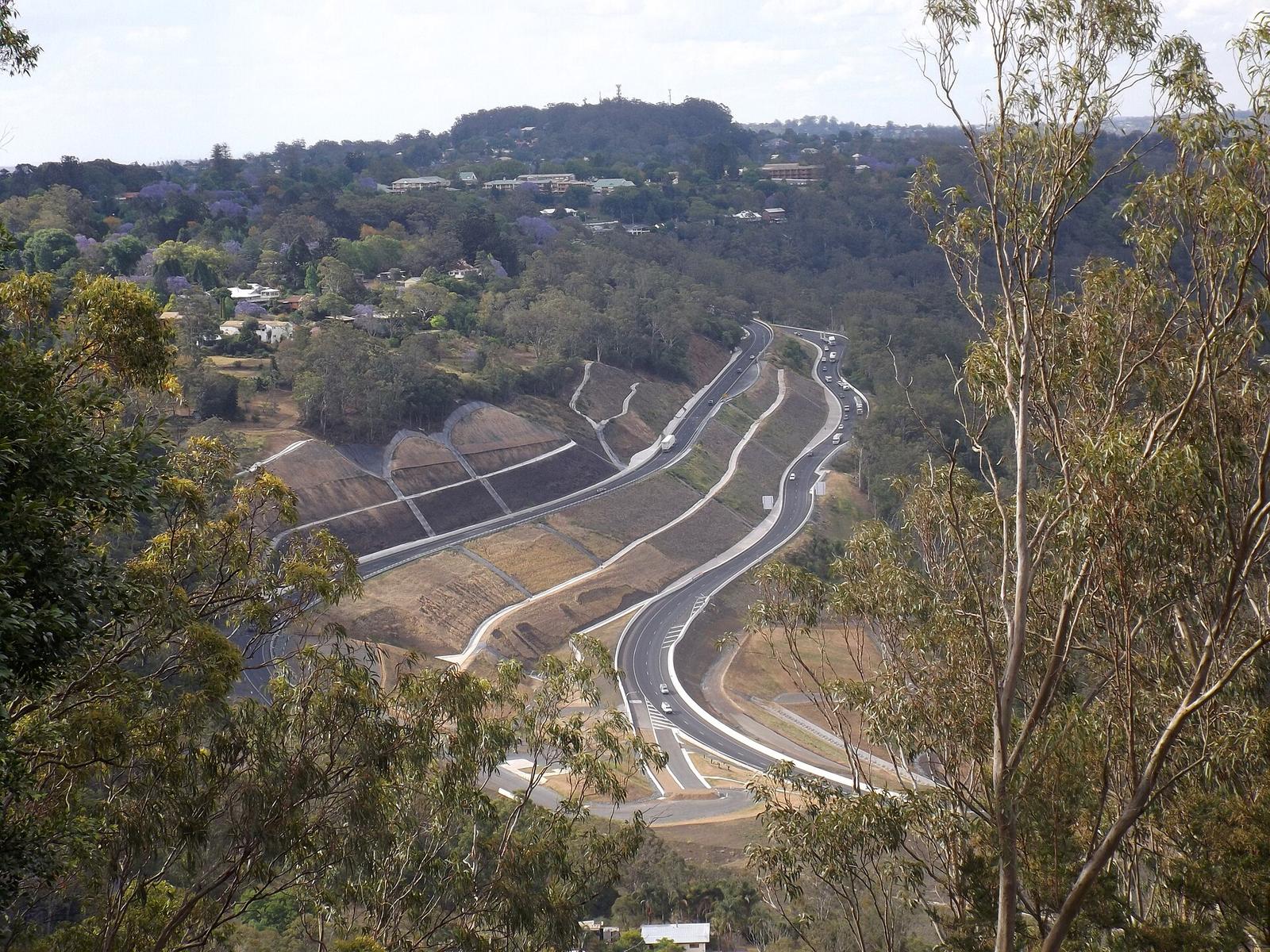
Toowoomba's infrastructure landscape is undergoing significant scrutiny as city planners, transport engineers, and council officials map out the region's mobility future. With the city's population continuing to grow and freight volumes increasing through the port connections to Brisbane, conversations about transport capacity have shifted from speculative to urgent.
The ongoing upgrades to the Warrego Highway corridor remain a focal point for regional stakeholders. Engineers working on the project have emphasised the critical nature of coordinating upgrades through high-traffic zones near Wellcamp Airport and the industrial precinct along Kitchener Street. Transport planners have publicly acknowledged that current infrastructure, while serviceable, faces mounting pressure during peak agricultural export seasons.
Council officials have been candid about budget constraints affecting planned improvements to arterial roads serving the Wilsonton and Darling Heights suburbs, where residential expansion continues at pace. During recent community forums, city engineers outlined a tiered approach to intersection upgrades, prioritising safety improvements at Queen Street and the Mill Street corridor over the next 18 months.
The Queensland Rail Services discussion has generated particular interest locally. While state transport authorities have emphasised Toowoomba's role in the broader southeastern Queensland network, officials have conceded that rail freight capacity improvements remain dependent on state-level funding allocations. Freight operators have publicly called for clearer timelines on planned track maintenance between Toowoomba and Helidon.
Local transport consultancy firms working with the council have flagged the need for integrated planning around the Toowoomba CBD's pedestrian and cycling infrastructure. Experts cite successful model implementations in comparable regional centres, though they've acknowledged affordability and maintenance costs present real challenges for council budgets stretched across competing priorities.
The proposed expansion of the Toowoomba Business Park transportation links has also drawn commentary from logistics professionals, who view improved access as essential for attracting major distribution operations. Industry representatives have told The Daily Toowoomba that current access routes via Wilkinson Highway and the industrial zone create bottlenecks during business hours.
Officials have adopted a measured tone about timelines, with council representatives noting that securing federal and state funding remains unpredictable. As one transport planning manager noted in recent council briefing documents, Toowoomba's infrastructure planning must balance immediate community needs with longer-term regional economic growth.
The consensus among local experts appears settled: Toowoomba's transport infrastructure requires sustained investment and coordinated planning across multiple tiers of government-a reality officials are increasingly willing to articulate publicly.